Filmer
Voir sans voler.
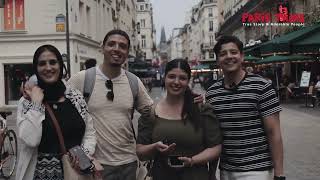
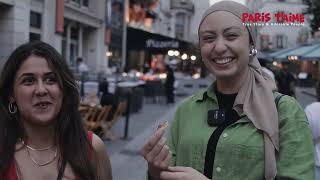
Paris T’aime avance dans les rues : chaque rencontre glane une image ignorée.
Rues, lieux, passages : le monde invisible commence par des fragments.
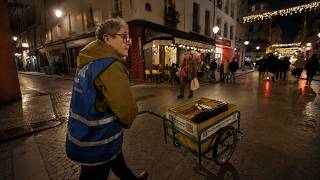


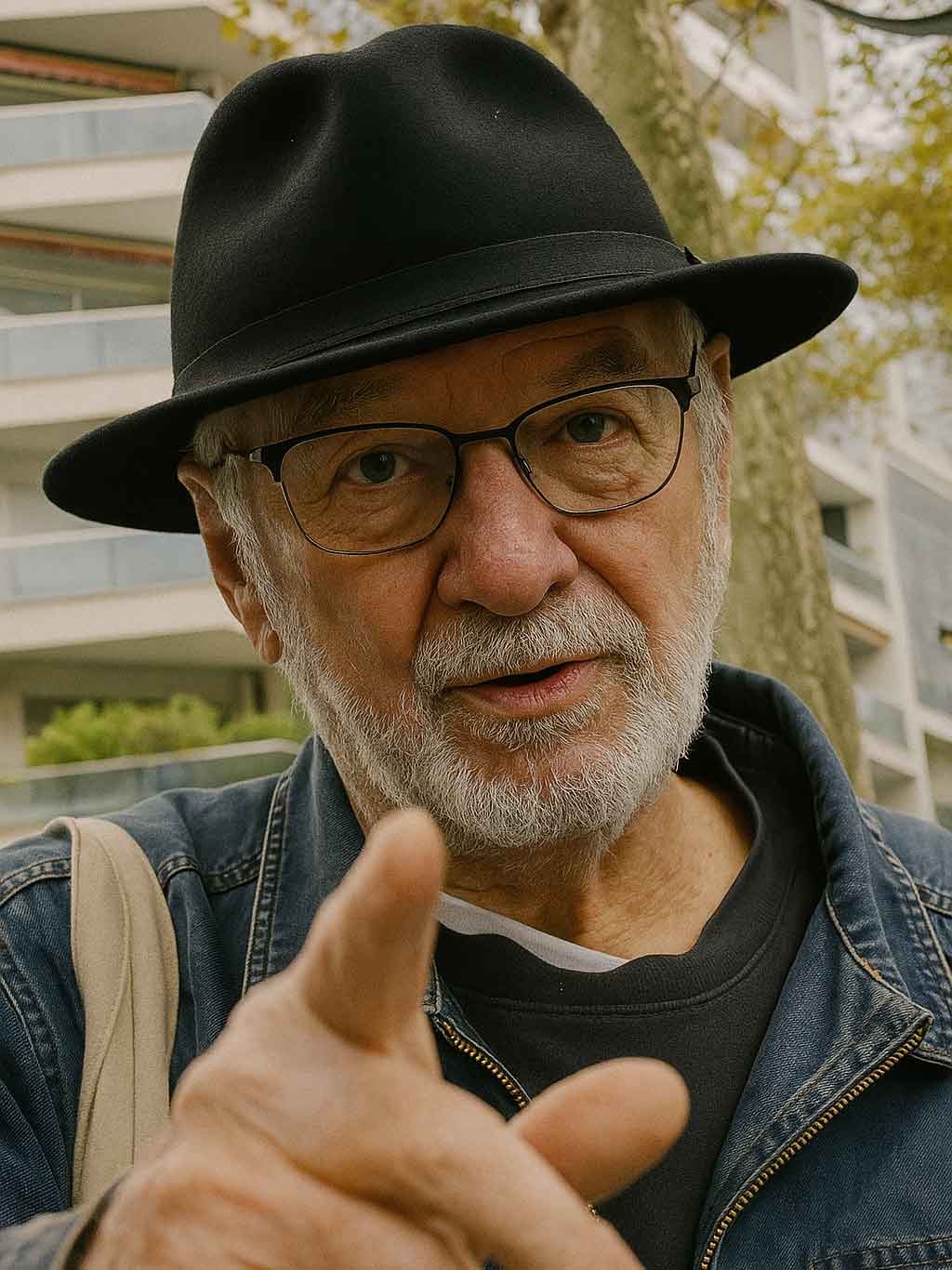
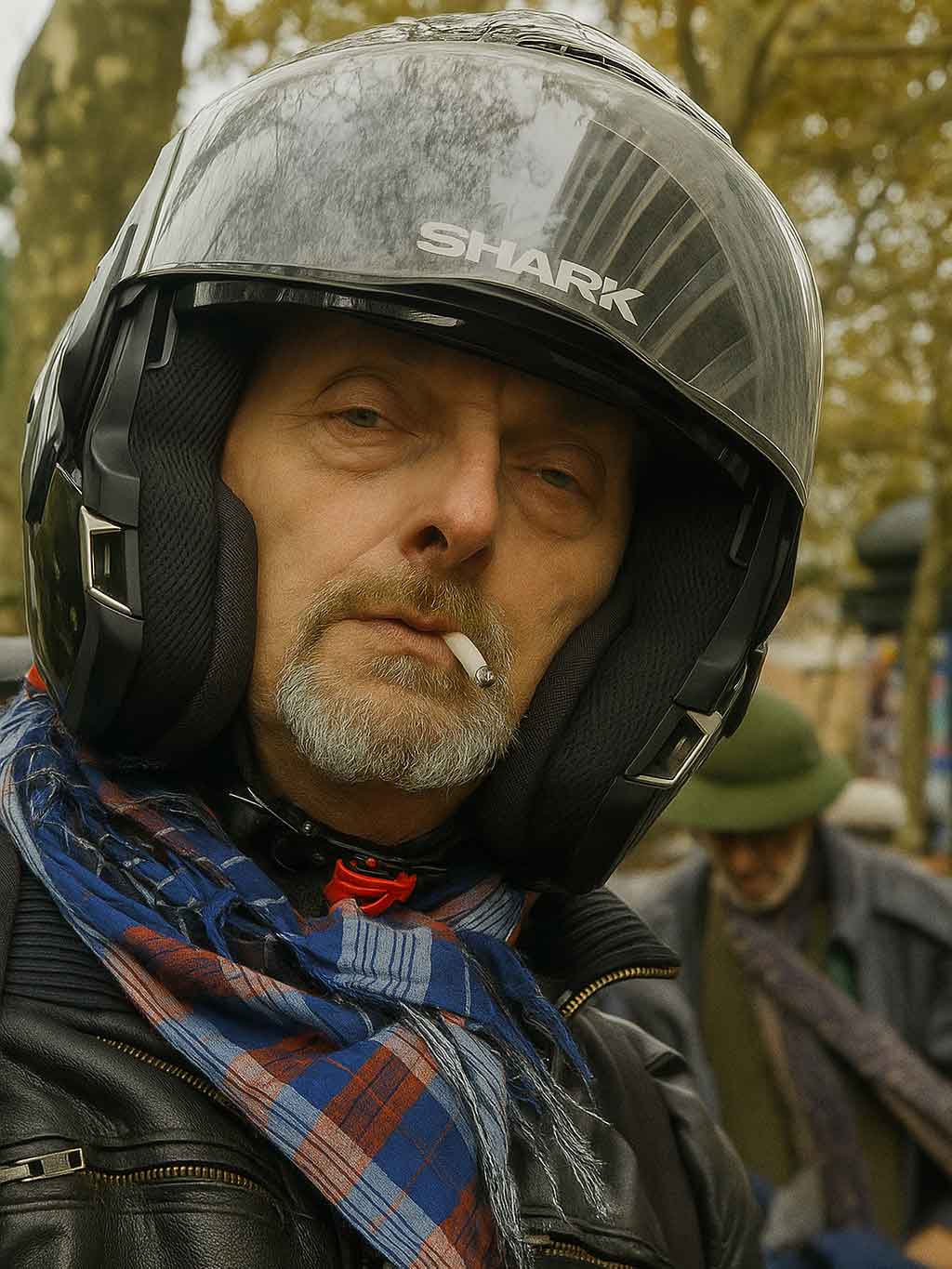
Chaque visage devient une porte vers un autre Paris.
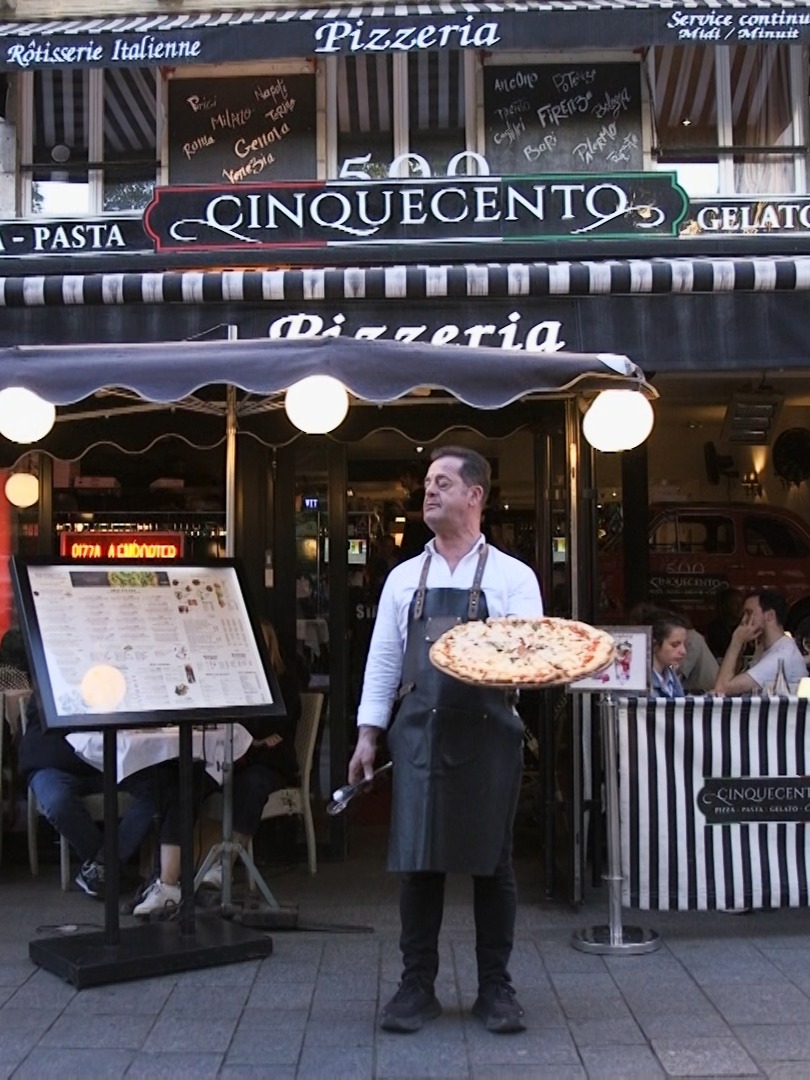
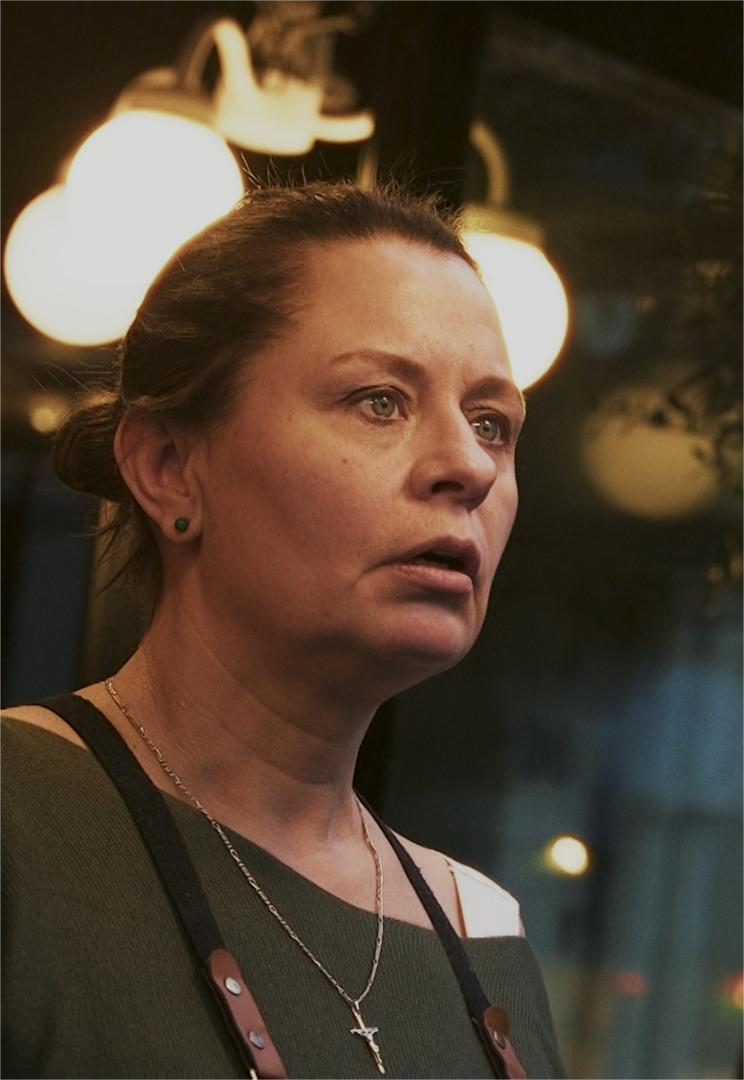
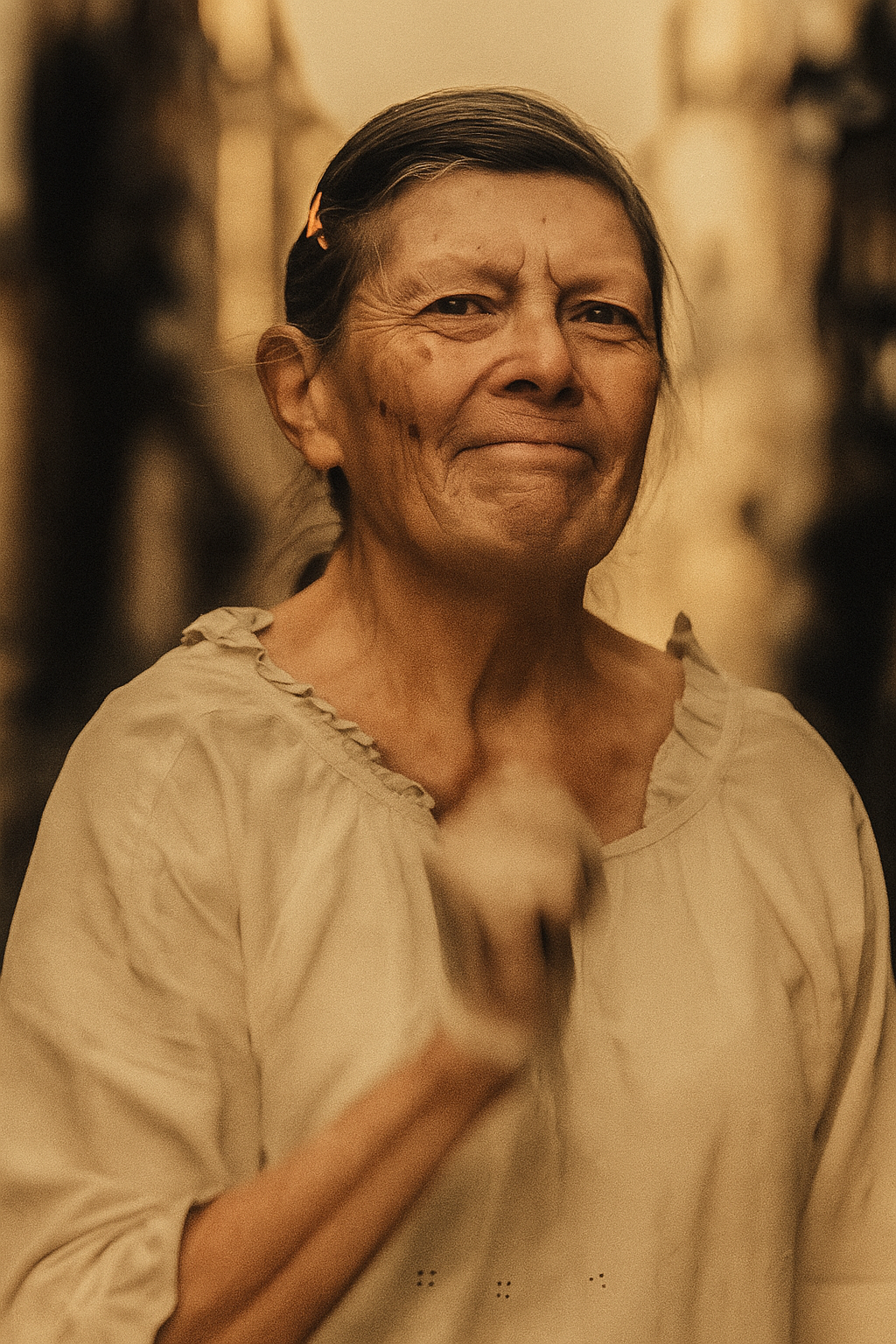

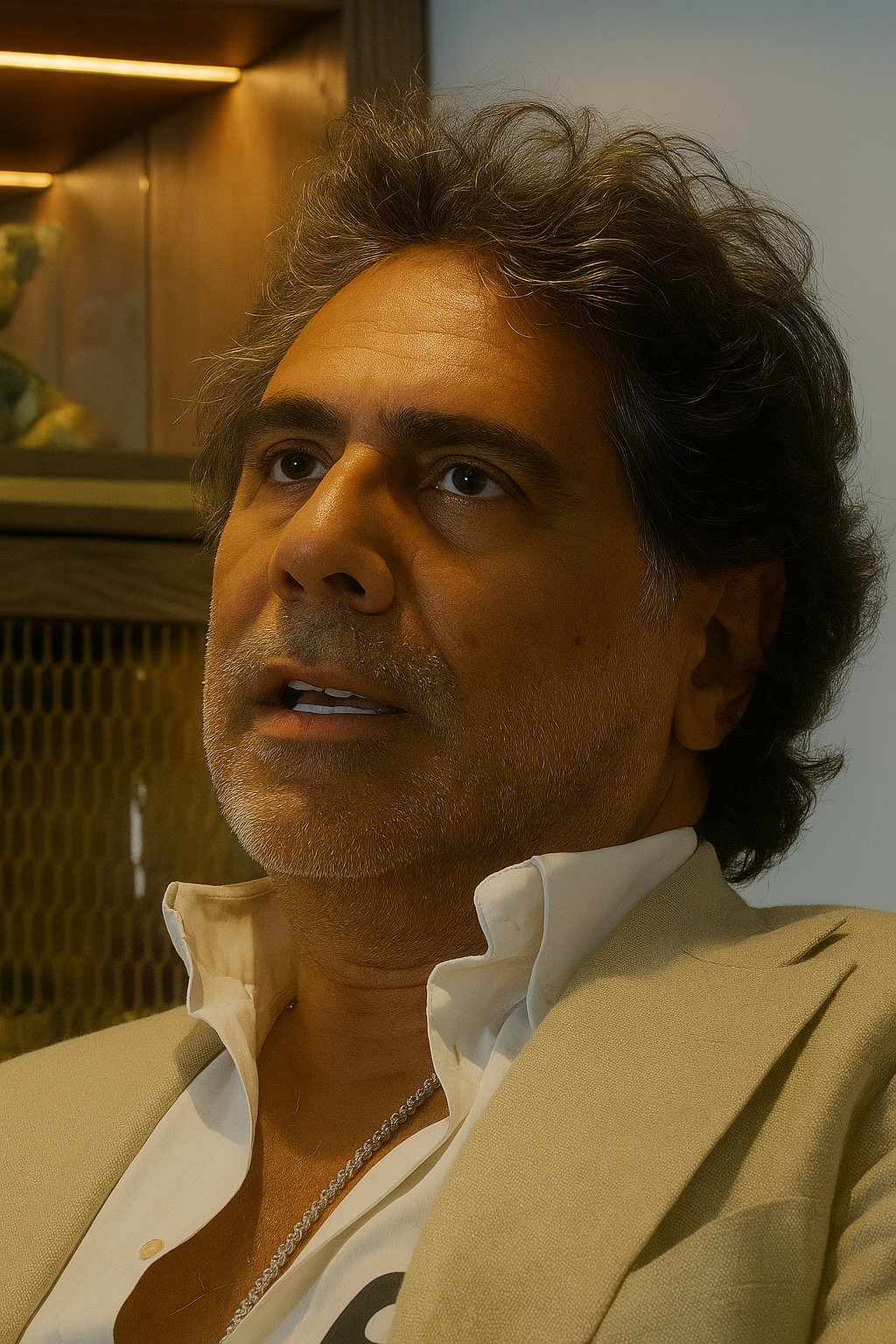

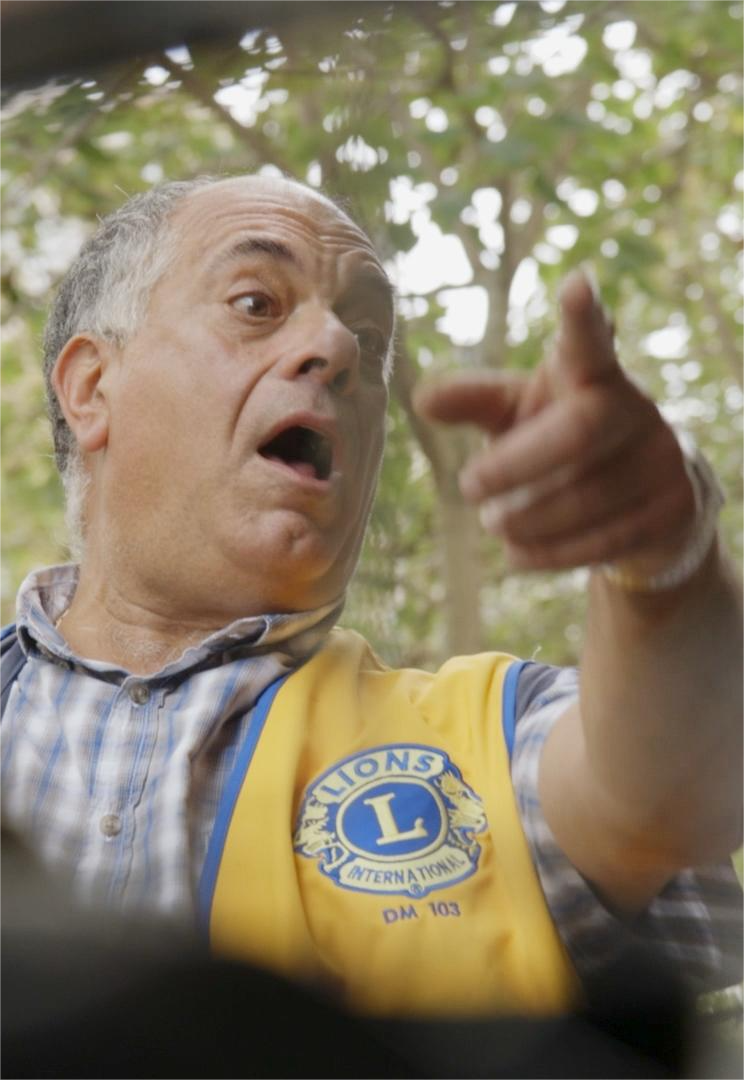
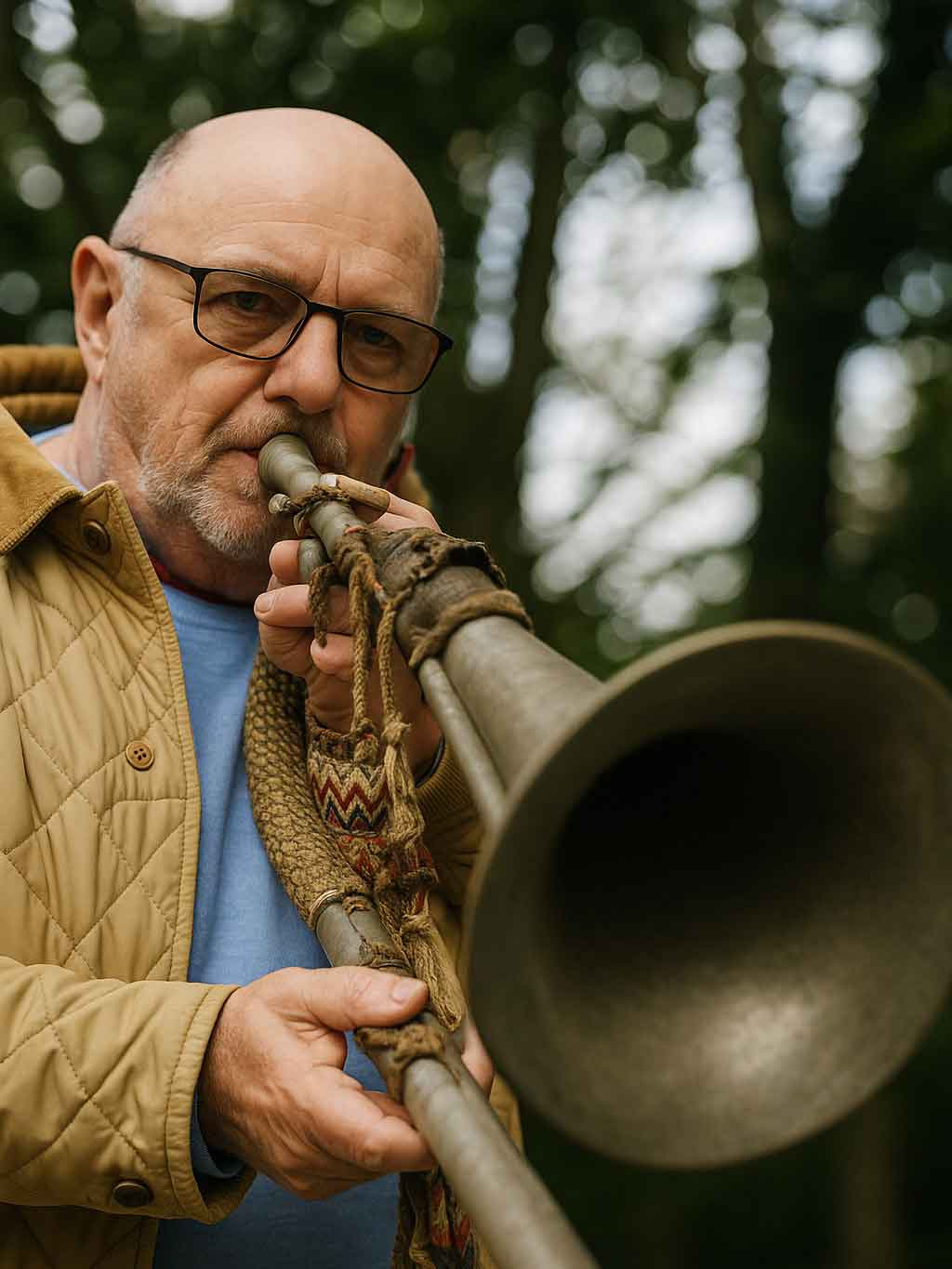
Après les images, comprendre l’origine du chemin.
Comprendre l’origine du pèlerinageDans la ville, le travail laisse des traces silencieuses : ouvrir, servir, réparer, cuisiner, transmettre, recommencer.
Paris T’aime filme ces présences professionnelles non comme décor, mais comme dignité : un savoir-faire, une fatigue, une fierté, parfois une bonté discrète.
Artisans, commerçants, cuisiniers, créateurs : la ville se fabrique par leurs gestes quotidiens.
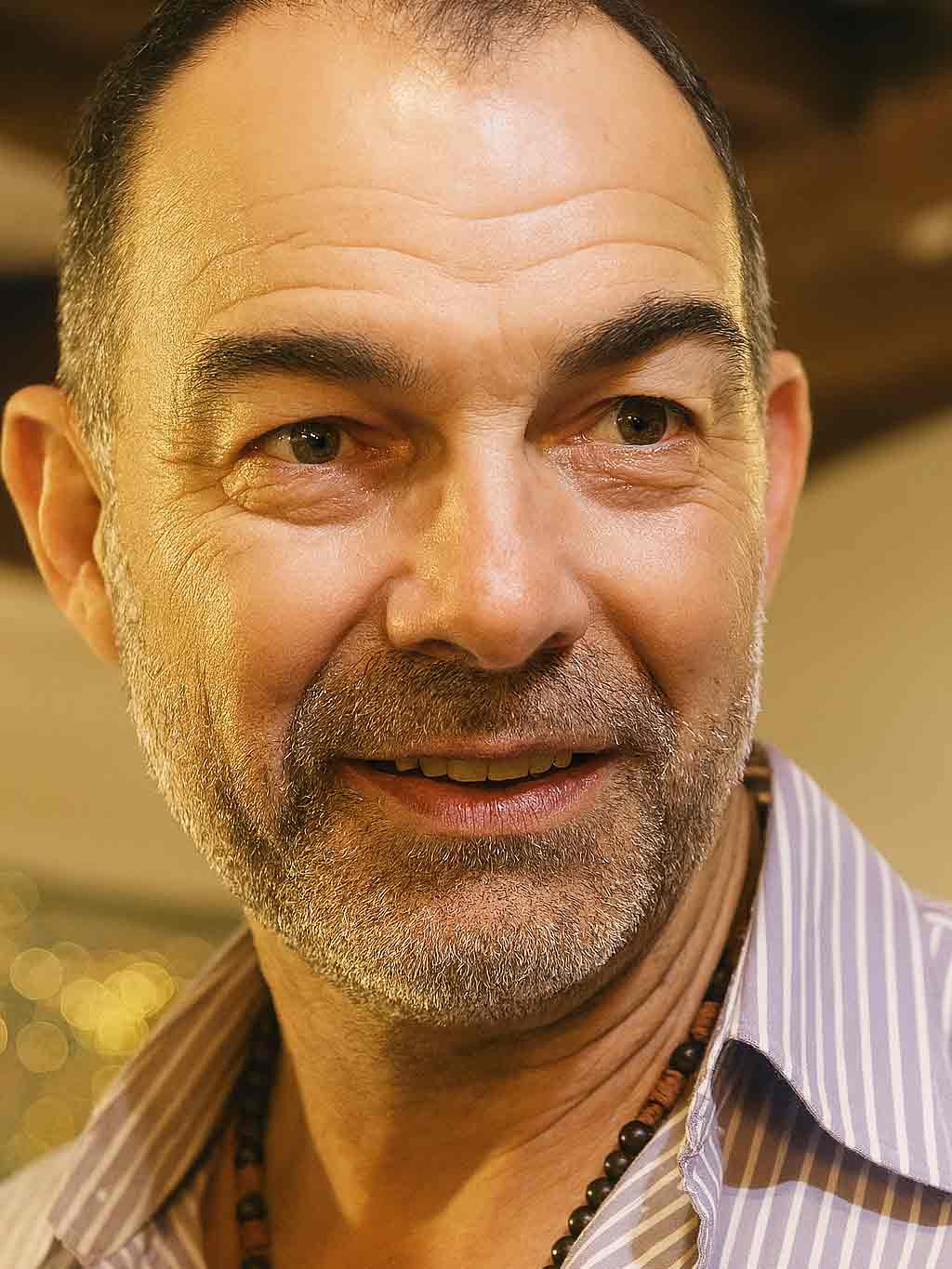
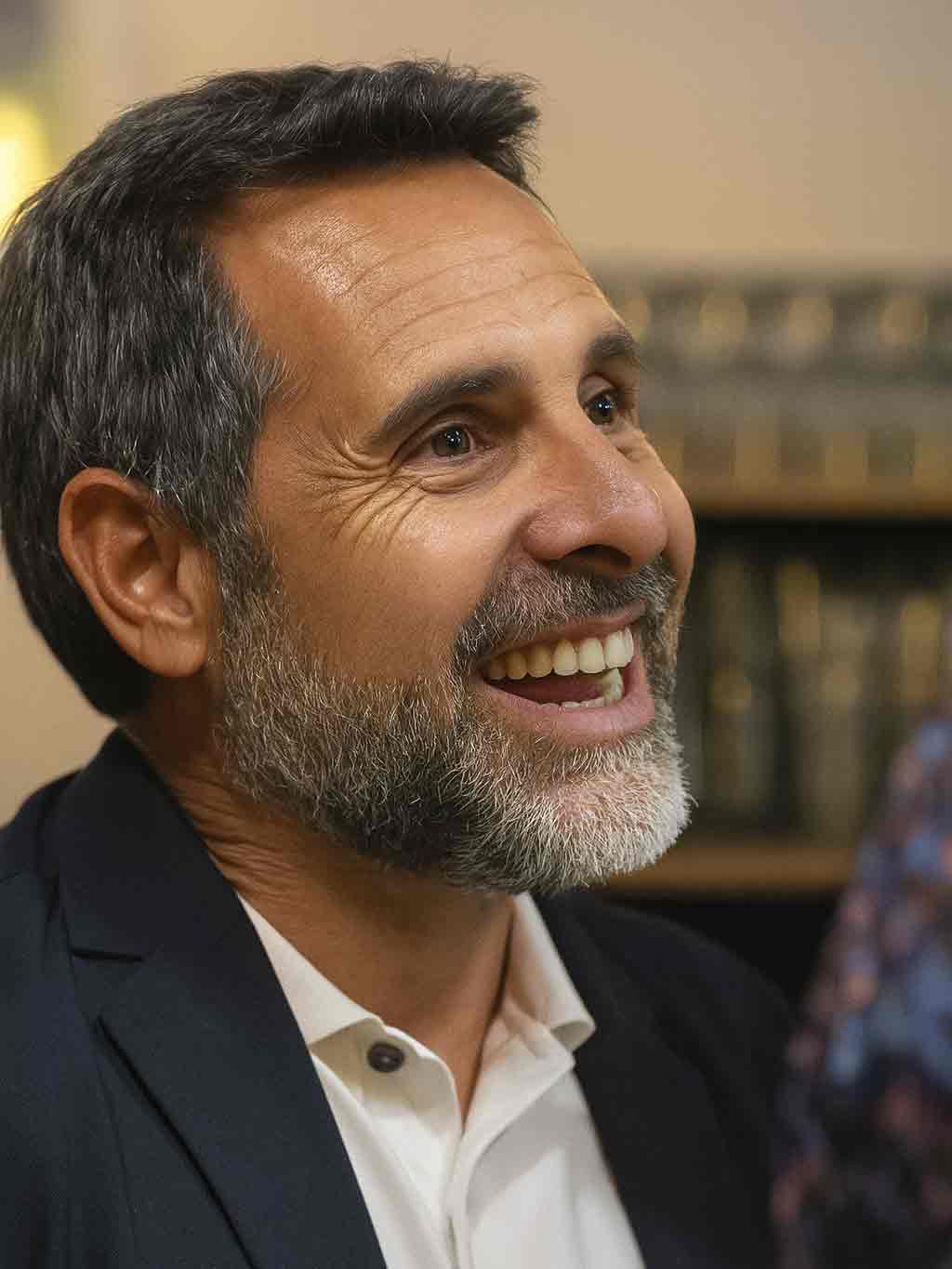
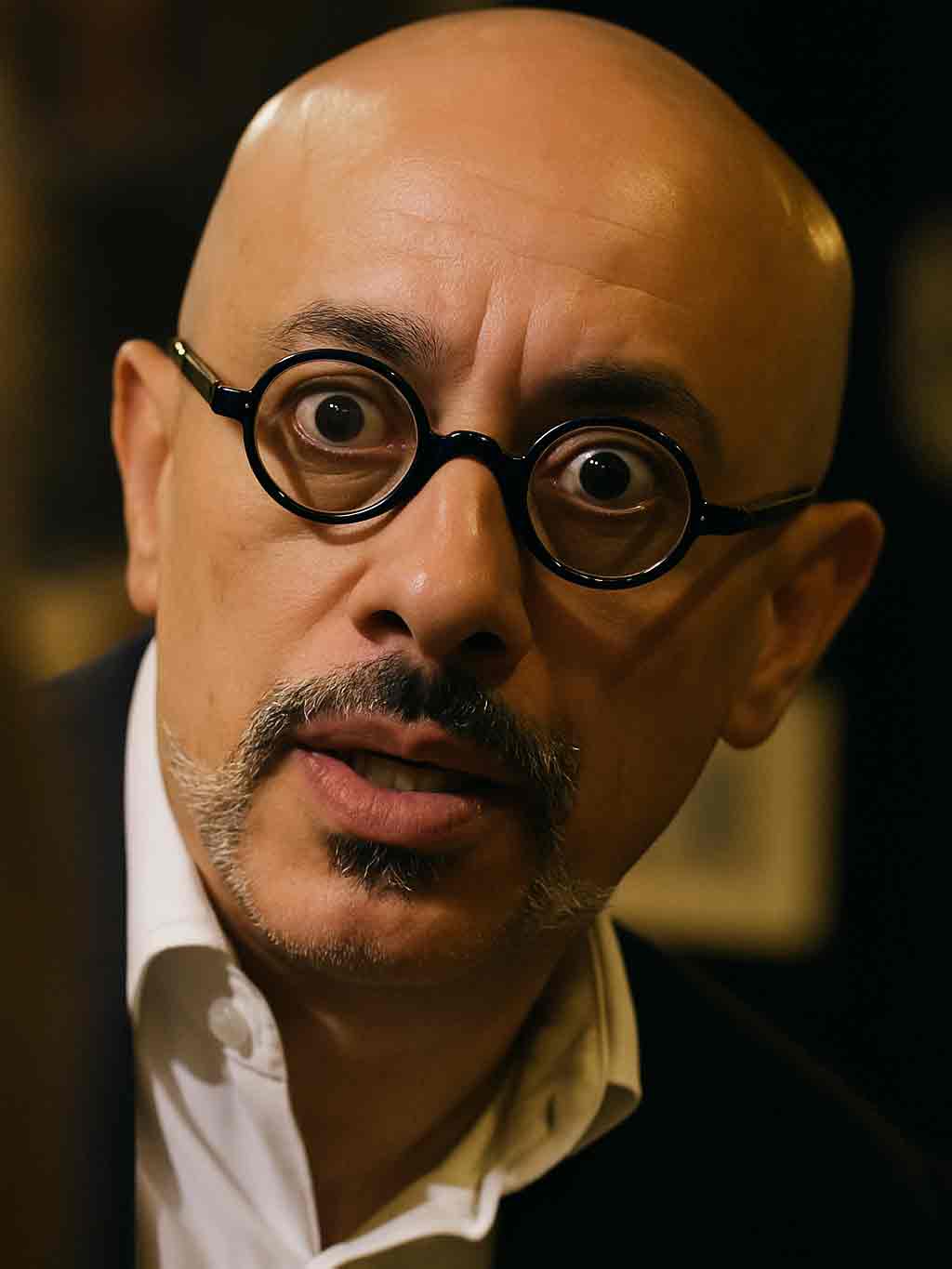
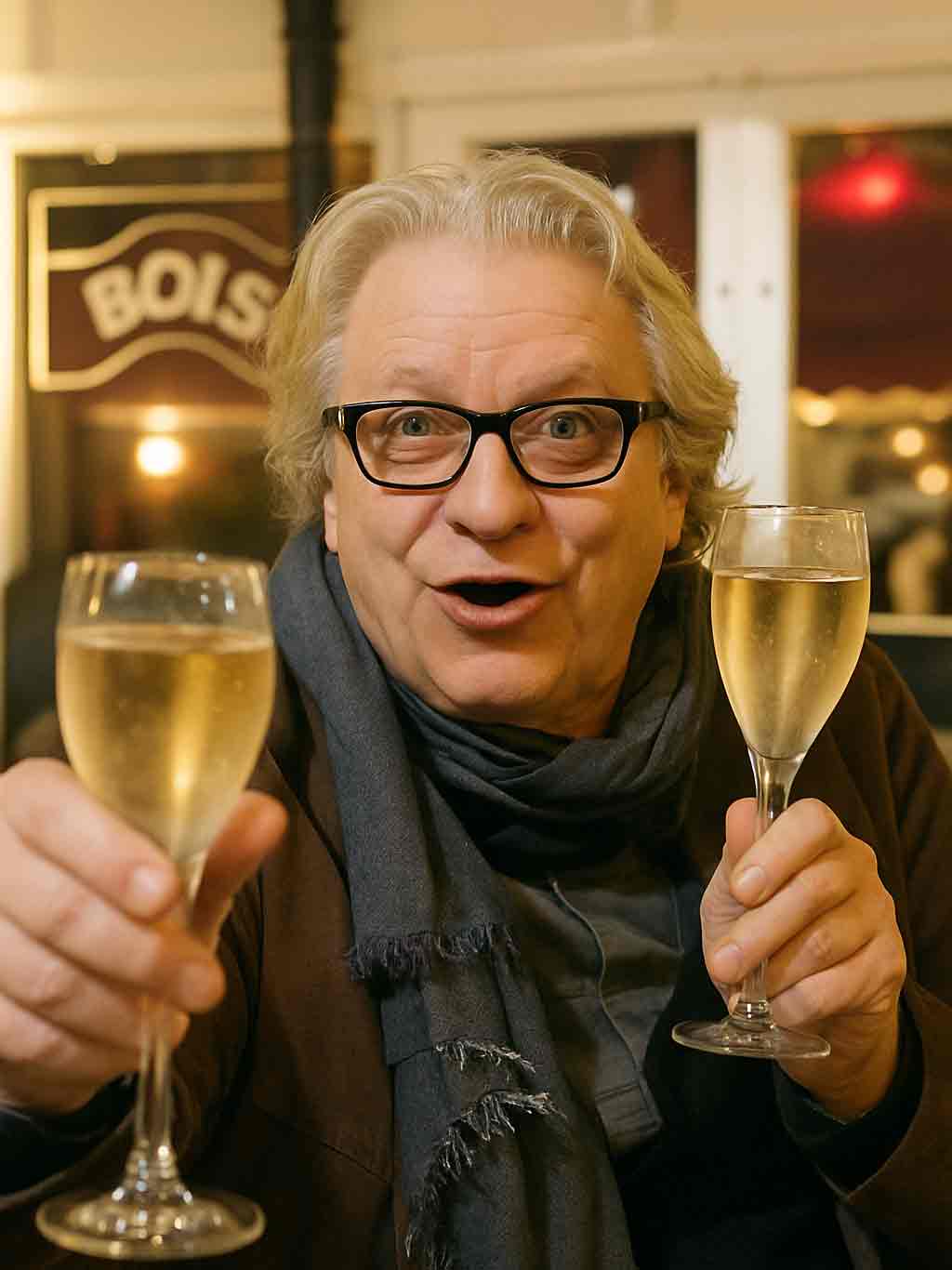
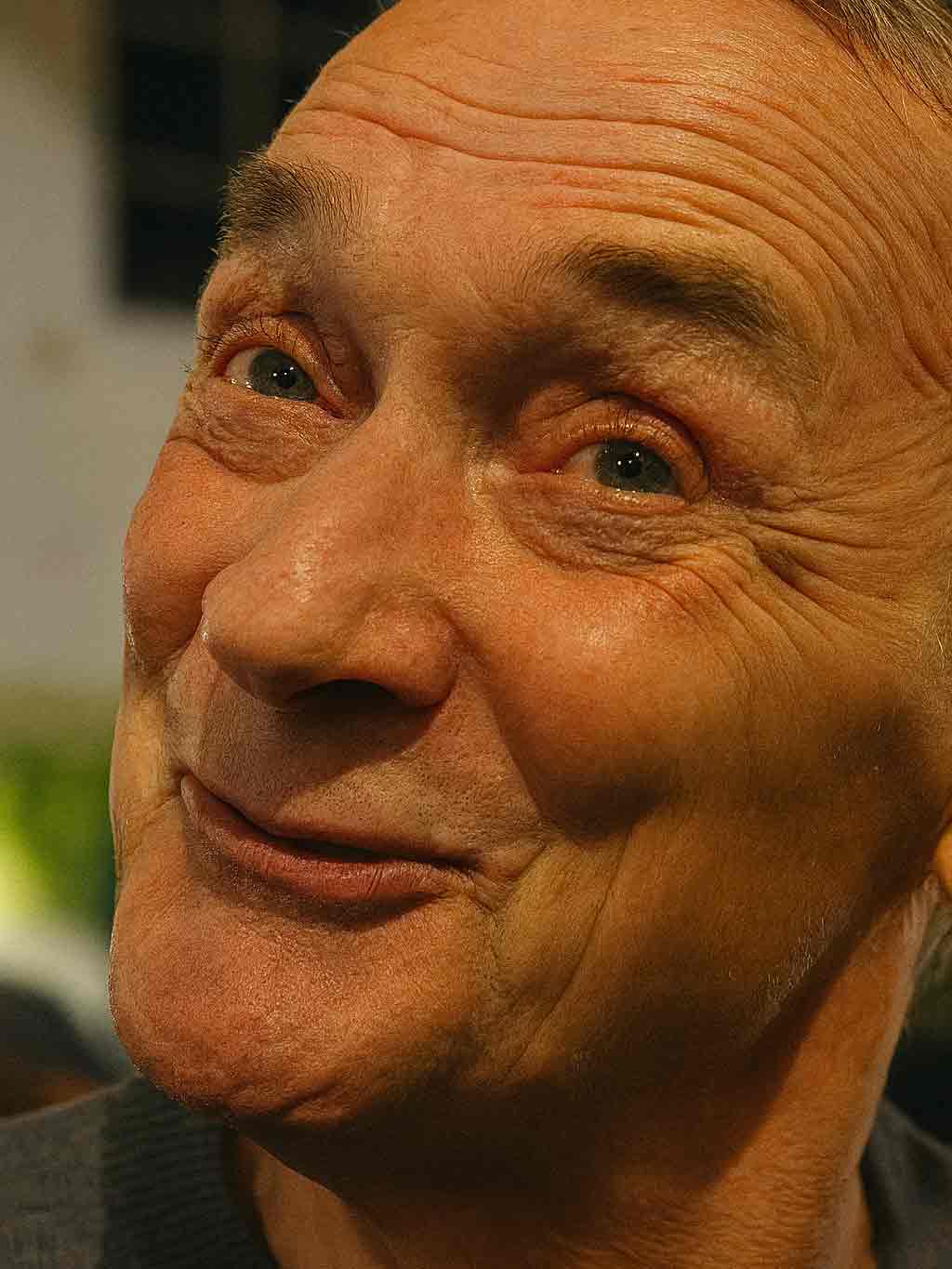


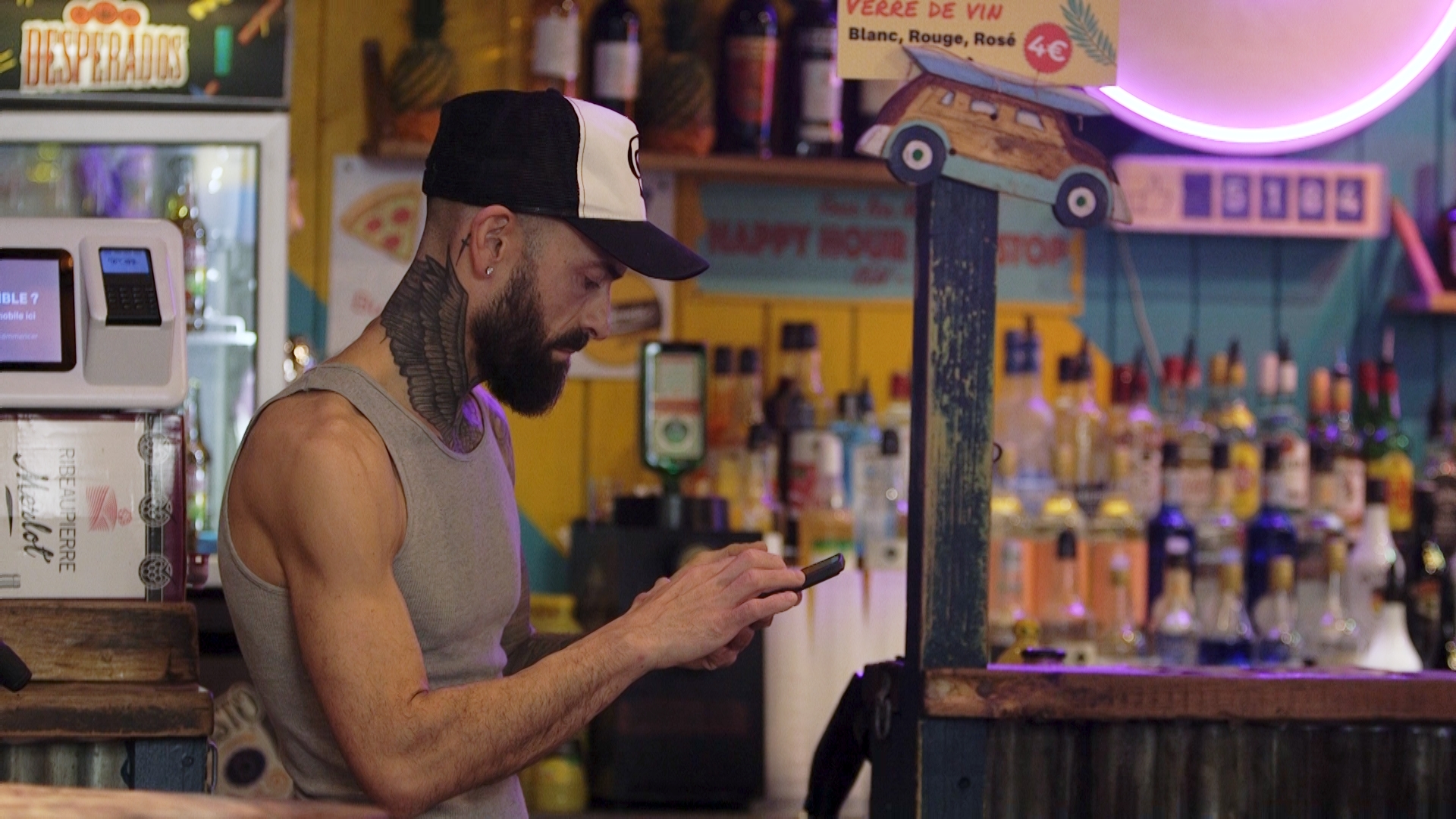
Un métier peut devenir un portrait quand la caméra reconnaît celui qui travaille derrière le lieu.
Voir les personnagesDerrière un service ou un savoir-faire, il y a une personne, une histoire, une présence.
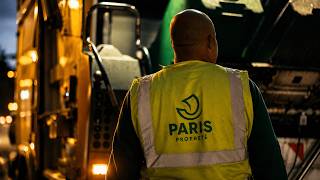


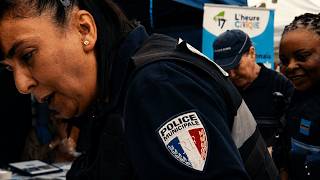
Une aide discrète suffit parfois à rendre quelqu’un visible.
Paris T’aime regarde les moments d’attention : quelqu’un s’arrête, aide, répond, laisse une trace humaine.
Un geste ouvre la relation.
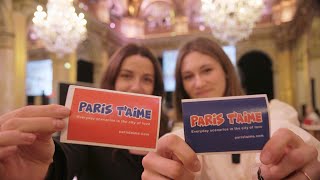
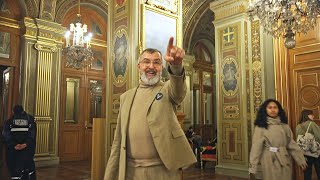
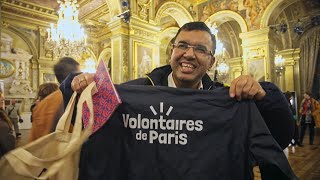
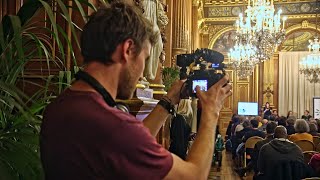

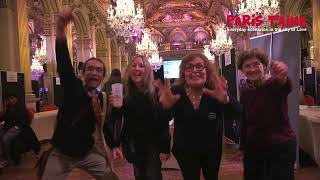
Un geste filmé n’est pas seulement une belle image : c’est une attention qui peut continuer après la scène.
Voir les preuves filméesLa trace invite à recommencer.
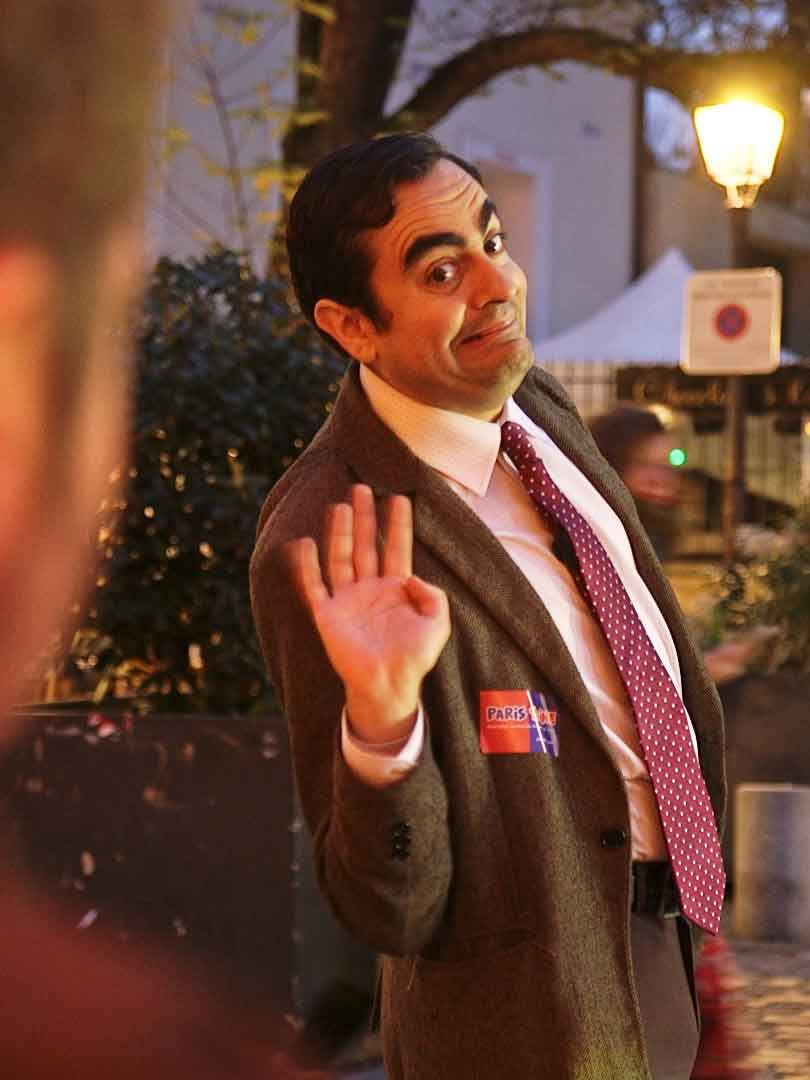
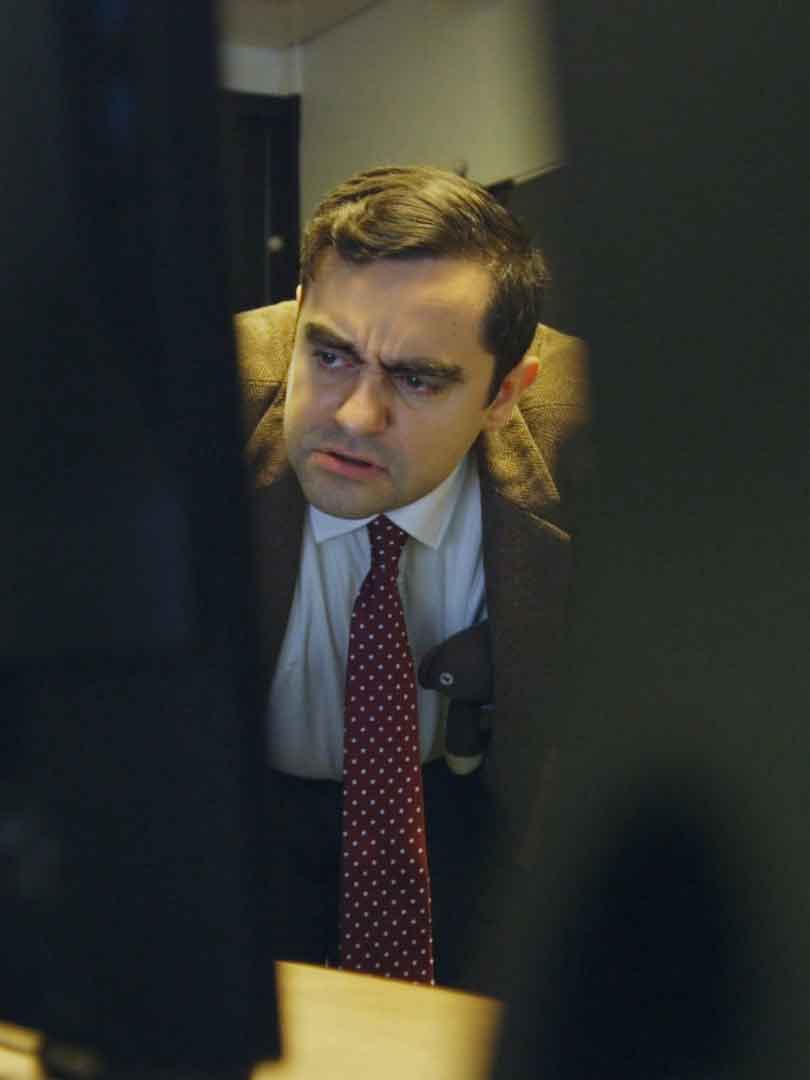
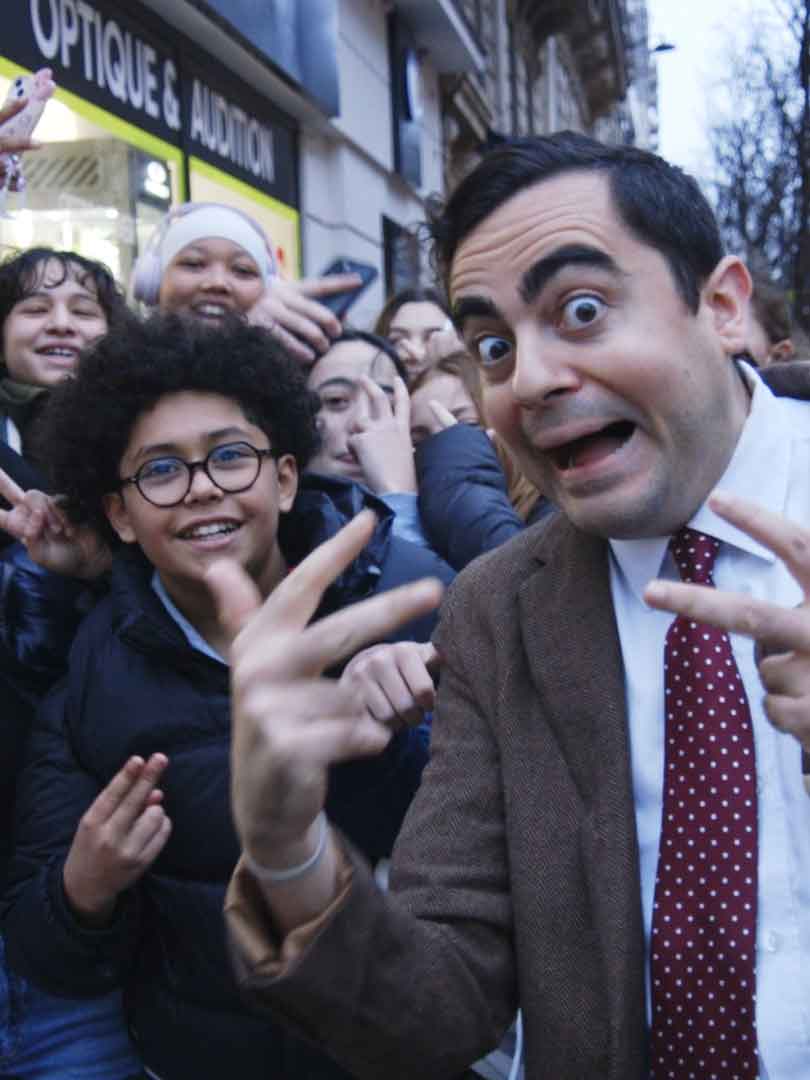
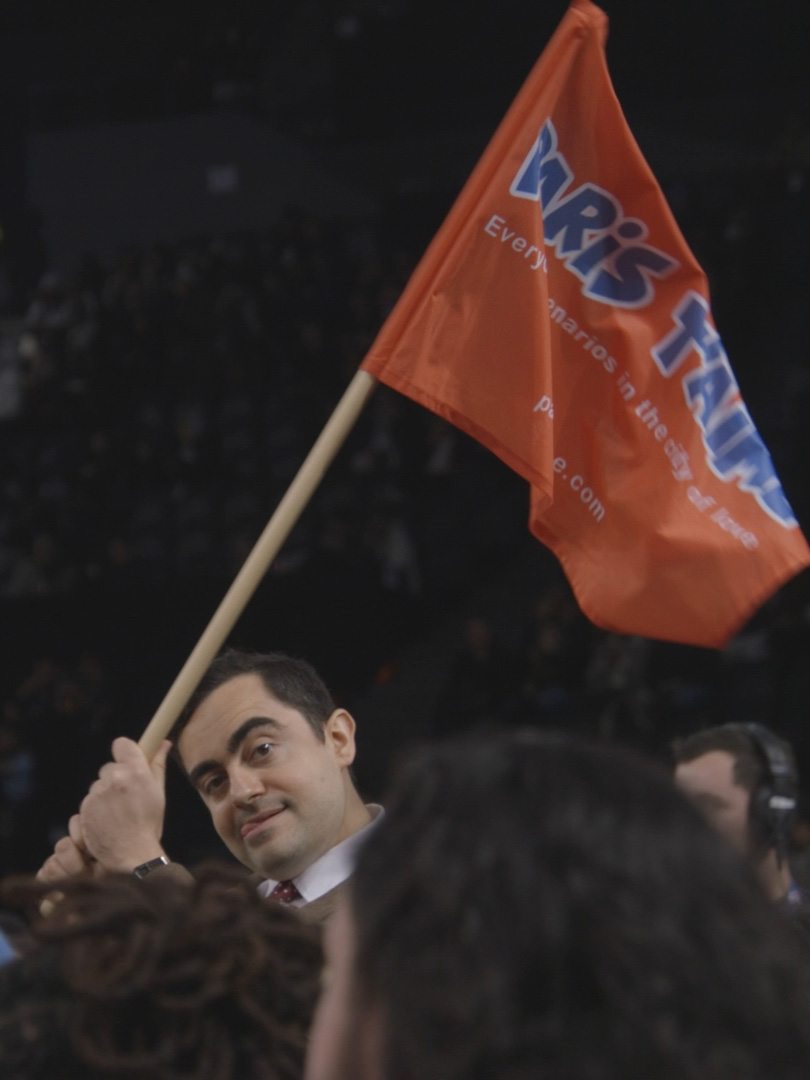
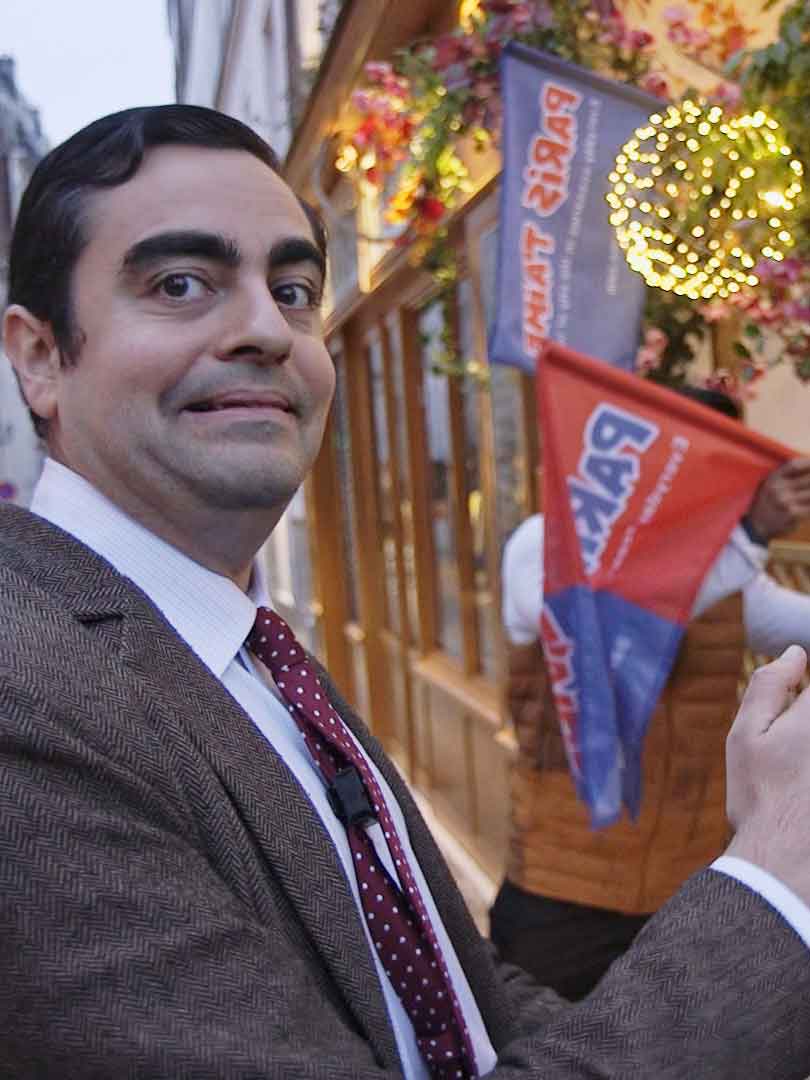
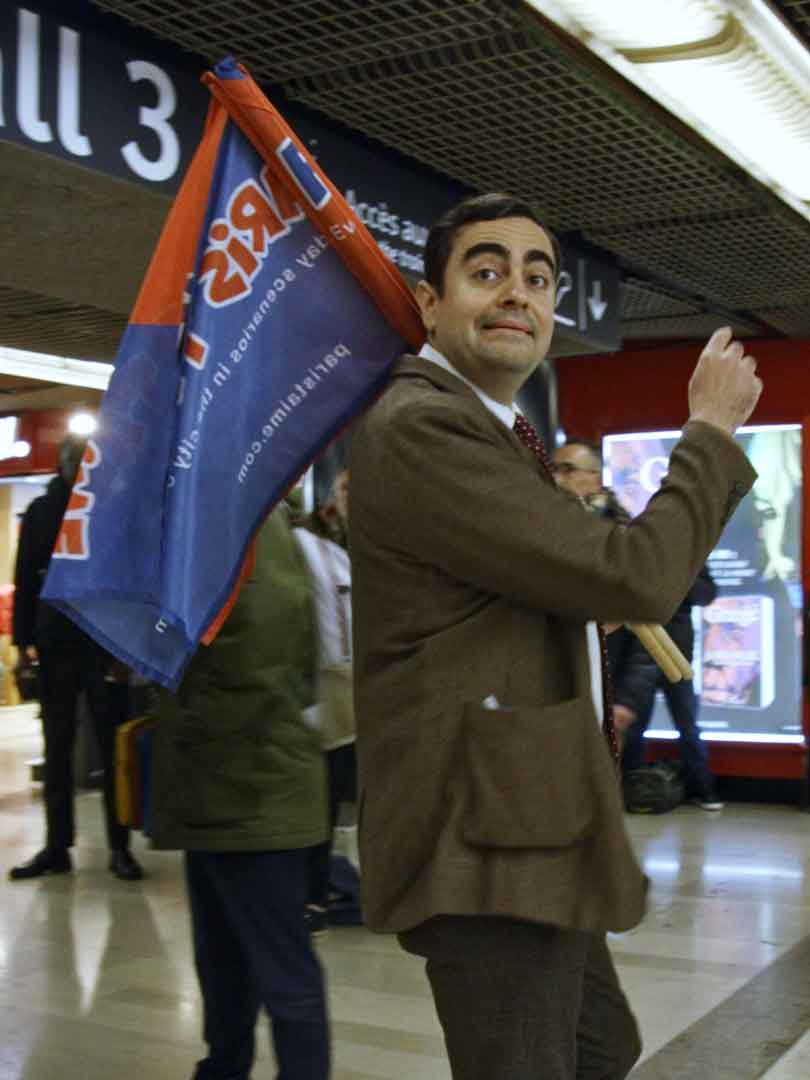
Filmer → agir → reconnaître → rejouer : une méthode pour rendre le lien humain plus juste.
La méthode commence quand la caméra ne prend plus seulement une image : elle aide une relation à devenir plus juste.
Voir sans voler.
Être présent quand le lien peut s’ouvrir.
Dire : ce geste compte.
Laisser la vie corriger le film.
Une image devient utile quand elle ouvre un geste plus juste.
Découvrir la méthodeLes épisodes vivants de Paris — chaque quartier écrit son propre chapitre.
Entrer dans les feuilletonsChaque quartier ouvre une scène : une rue, une adresse, une rencontre, une mémoire locale.
Explorer les 80 quartiersCentre historique de Paris, avec de belles églises et une architecture urbaine remarquable. Aux portes du Louvre et de la Seine.

Quartier vivant de shopping et de culture, célèbre pour son grand forum et son atmosphère très animée.

Jardins élégants et galeries historiques : un écrin discret où l’art et l’architecture se répondent.
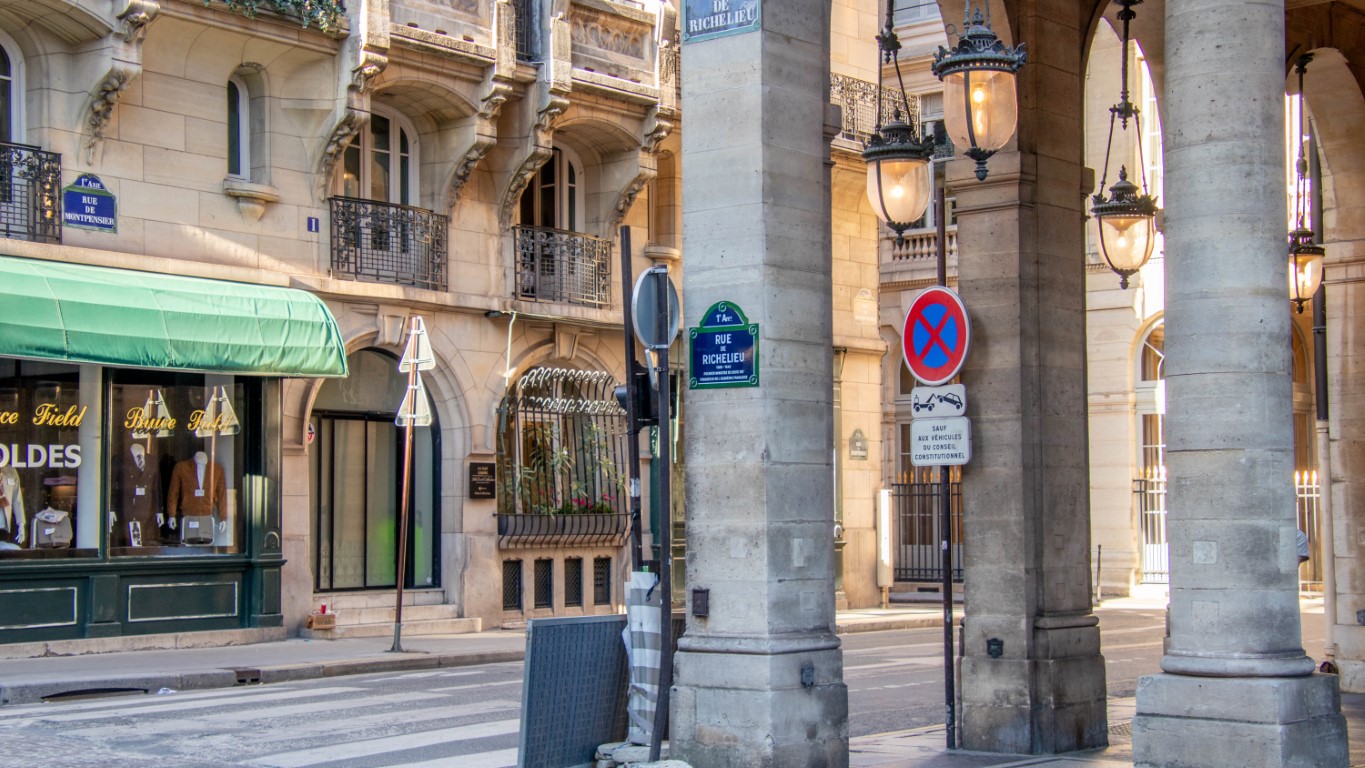
Hôtels particuliers et joailliers autour d’une place parfaite : un symbole de l’élégance parisienne.

Petites rues classiques, cafés de quartier et vie locale : ici, Paris se raconte à voix basse.
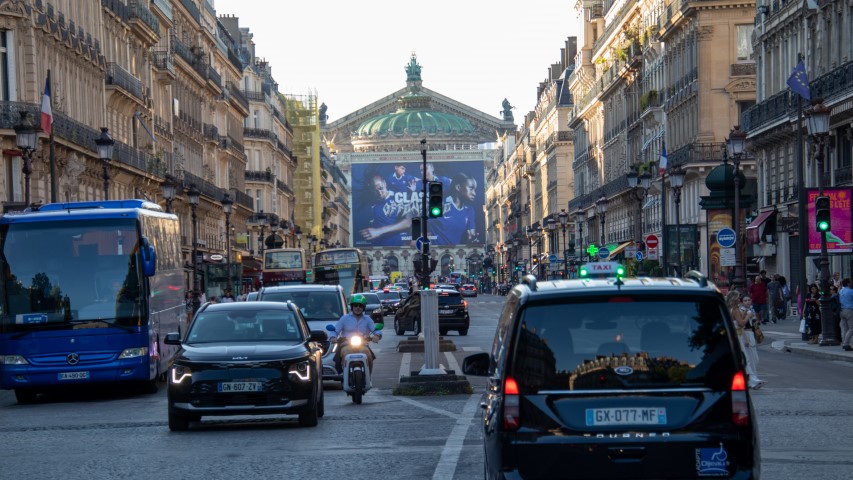
Passages couverts, librairies et boutiques : une promenade chic, à l’abri du bruit de la ville.
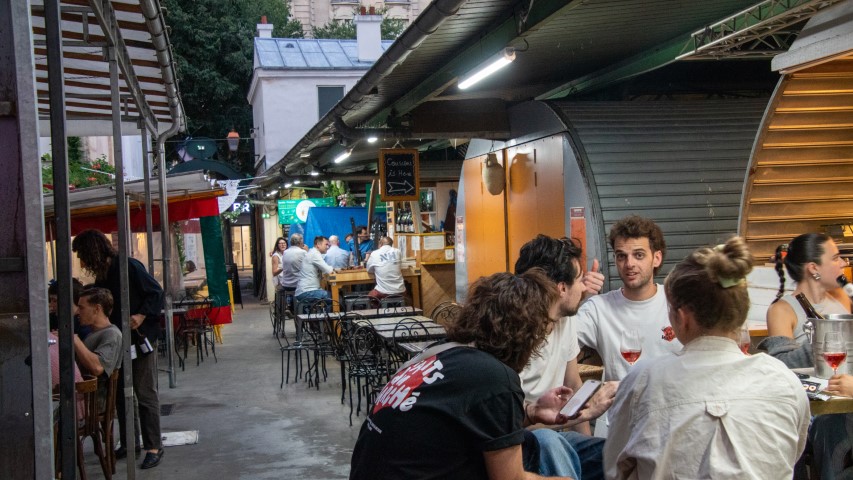
Plus petit quartier officiel de Paris, blotti entre de grandes artères. Un minuscule village de pierre et de silence.
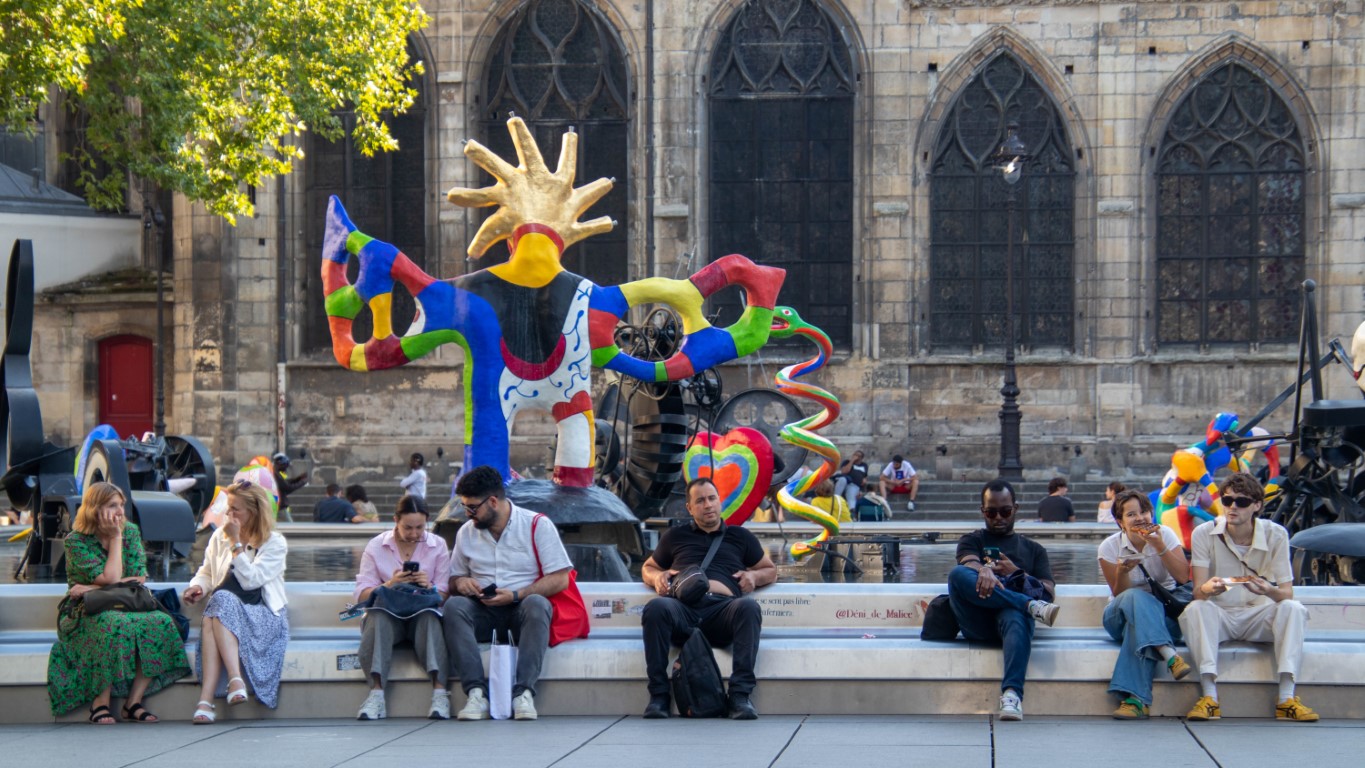
Carrefour de récits, de cinémas et de lieux de nuit : un quartier qui garde la lumière allumée tard.
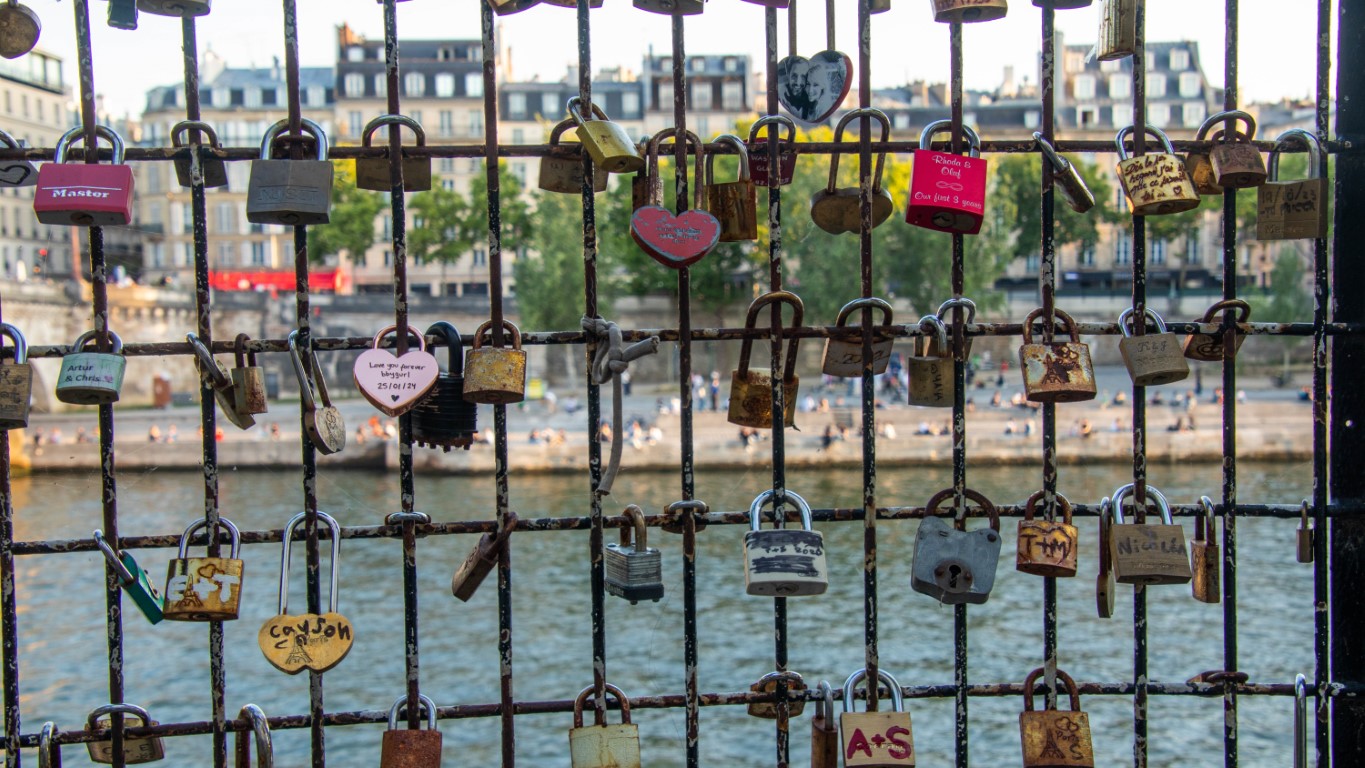
Entre musées, ateliers et héritage industriel, un quartier où l’invention et la créativité ont toujours leur place.
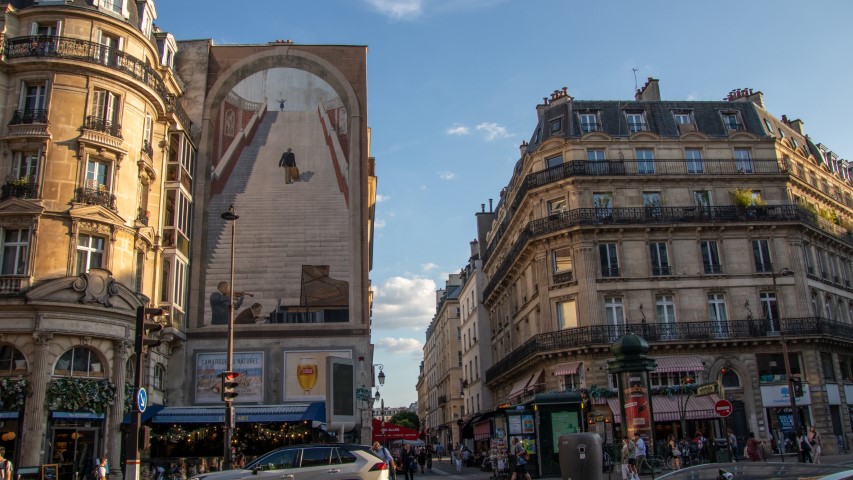
Ancien marché couvert devenu table du monde : on y mange serrés mais ensemble, dans un joyeux désordre.
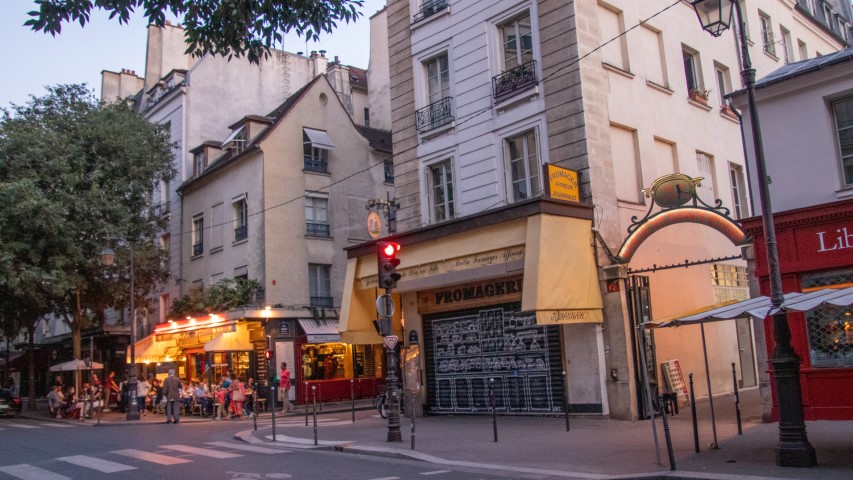
Rues calmes, façades anciennes, portes discrètes : au cœur du Marais, une mémoire qui continue de vivre.
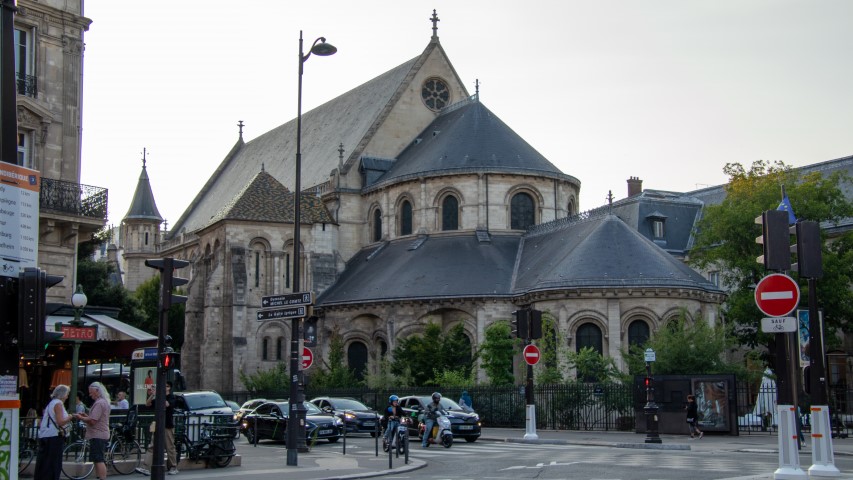
Charme classique, cafés animés et cours cachées : un Marais du quotidien, habité par ceux qui y vivent vraiment.
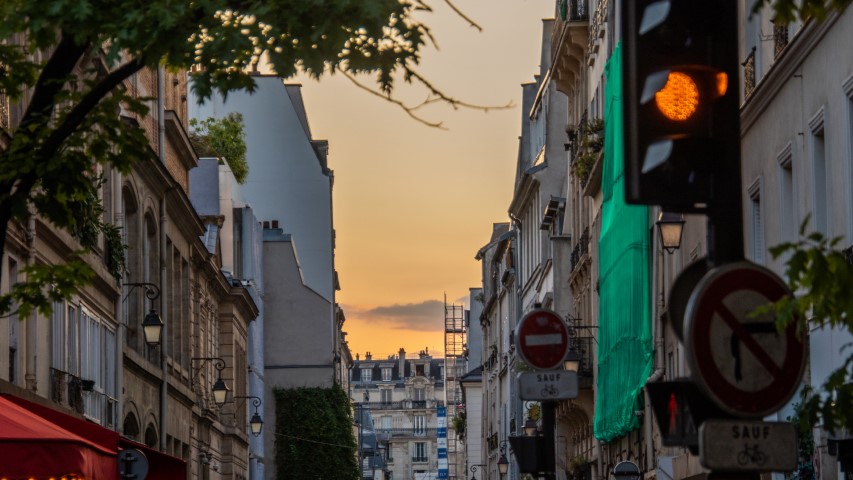
Juste derrière Beaubourg et l’Hôtel de Ville, un quartier artistique où la rue devient souvent une scène.
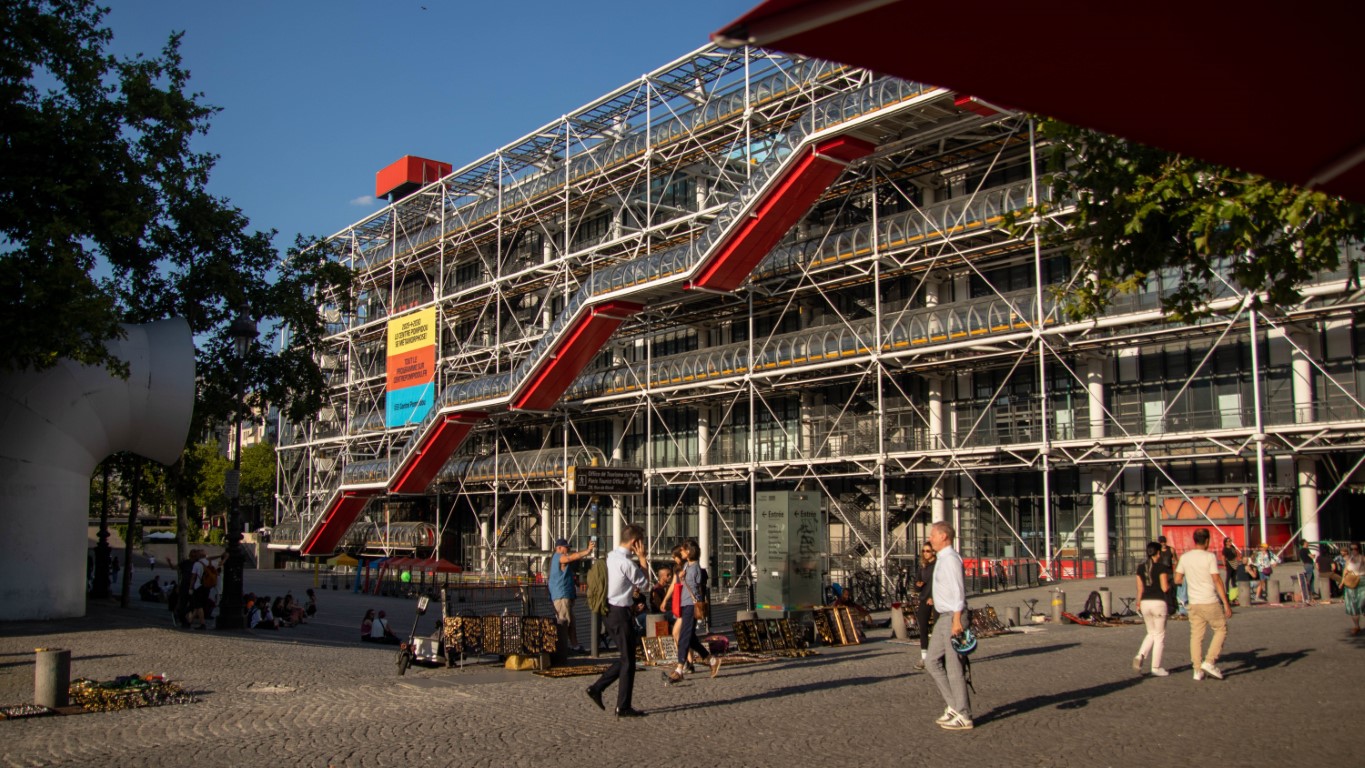
Vieilles rues, synagogues et maisons serrées : un quartier de traditions, de familles et de prières discrètes.
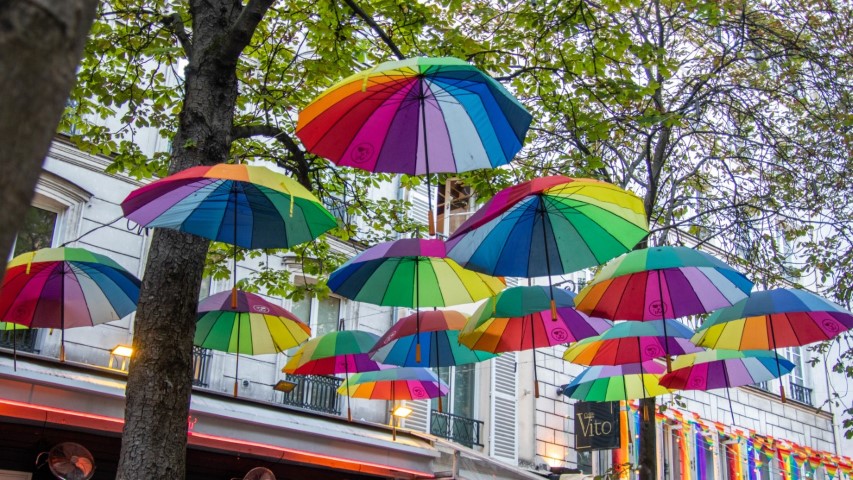
Entre Bastille et le port de l’Arsenal, promenades, péniches et bancs qui regardent l’eau passer.
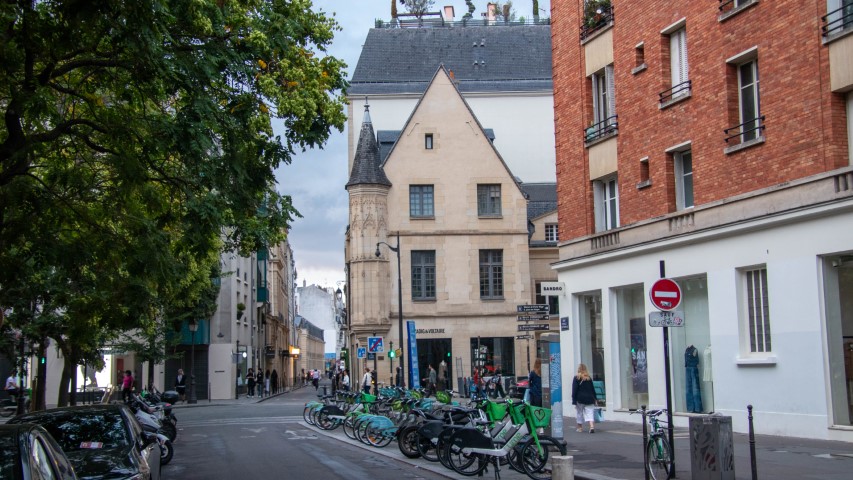
Autour de la cathédrale et de l’Île de la Cité, le cœur spirituel de Paris bat entre pierres et fleuve.
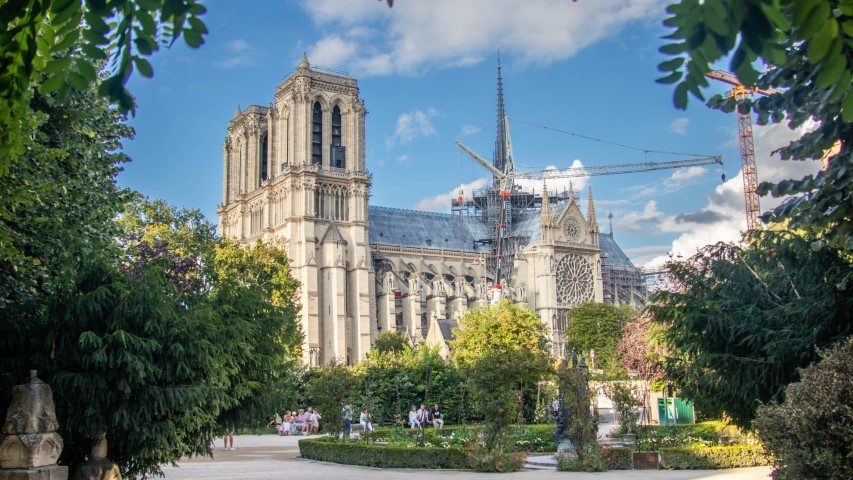
Dans le calme du 5ᵉ, entre quais et universités, un quartier studieux au bord de la Seine.

Serres, jardins et musées : un morceau de nature savante au milieu de la ville.
Rues tranquilles, hôpital historique et toits en pente : un Paris discret, à l’écart du tumulte.
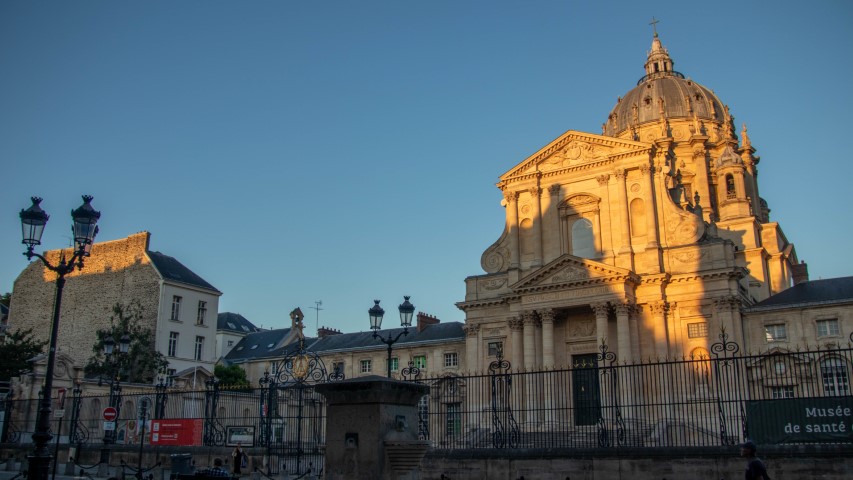
Autour de la vieille université, cafés, librairies et étudiants : un quartier qui vit au rythme des idées.
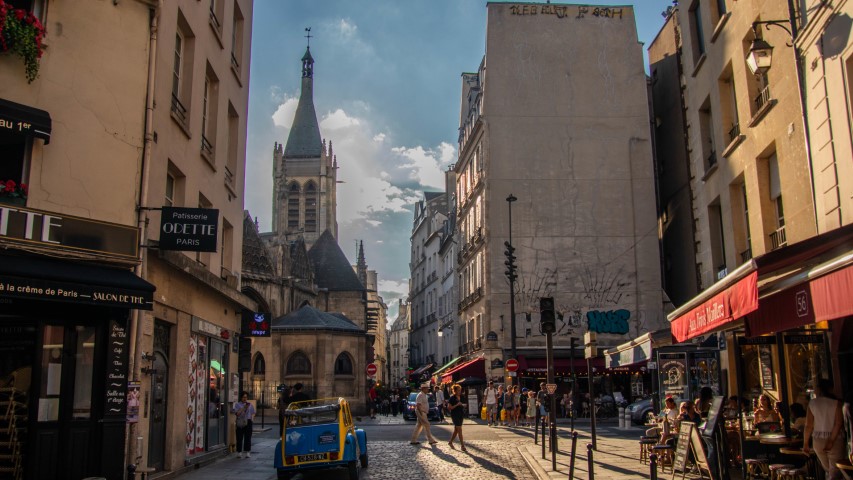
Entre Seine et petites rues, un quartier de ponts, de bouquinistes et de lumières qui se reflètent dans l’eau.
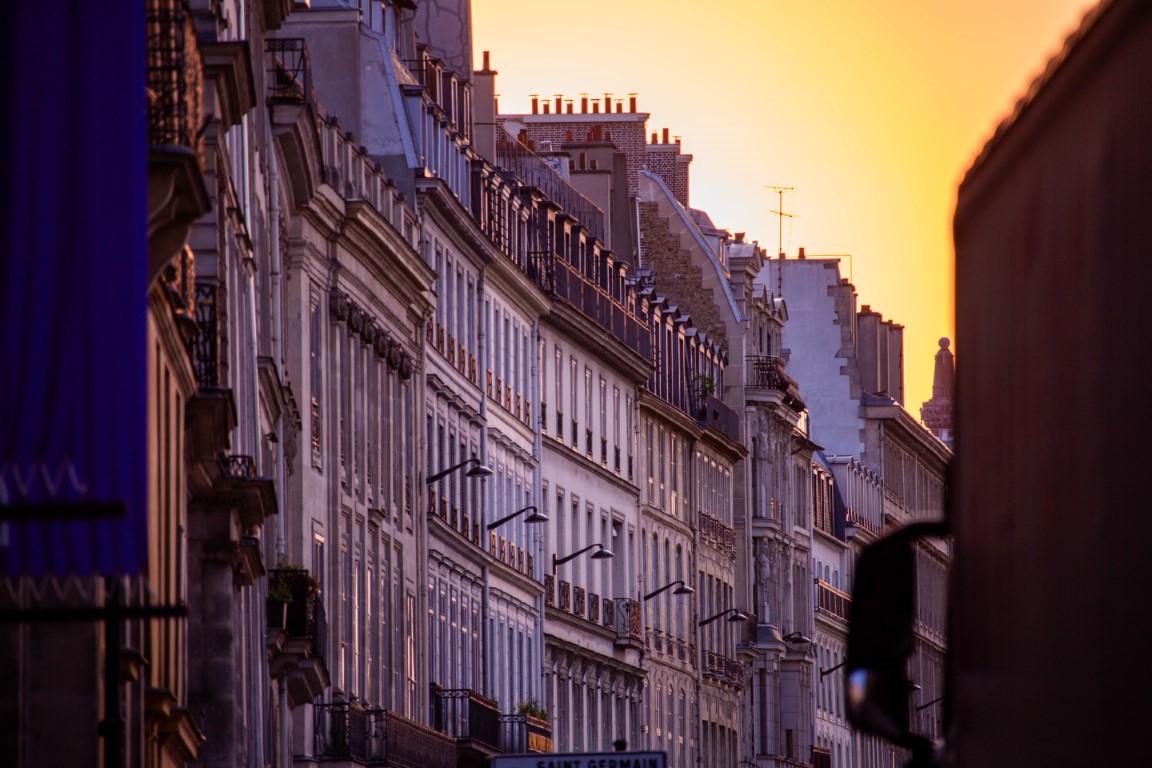
Théâtres, librairies et terrasses serrées : le quartier où l’on refait le monde jusque tard.
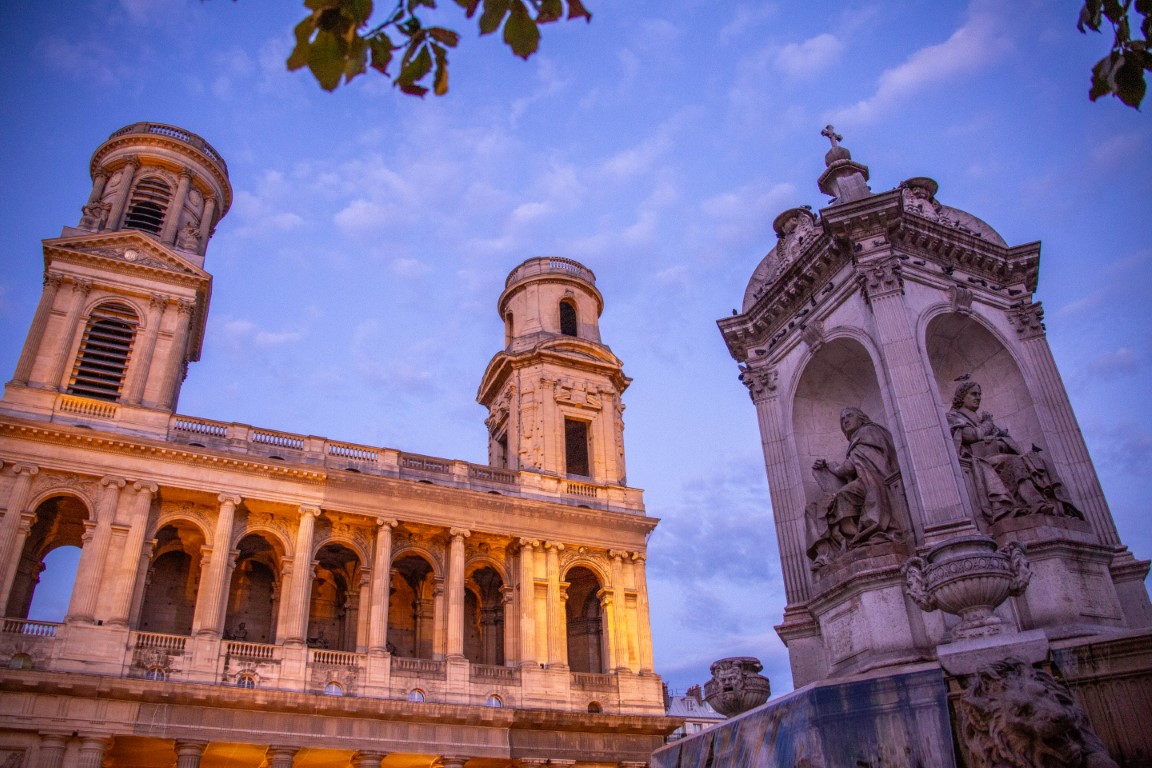
Un coin du 6ᵉ plus résidentiel, entre ateliers d’artistes, écoles et cafés de voisinage.
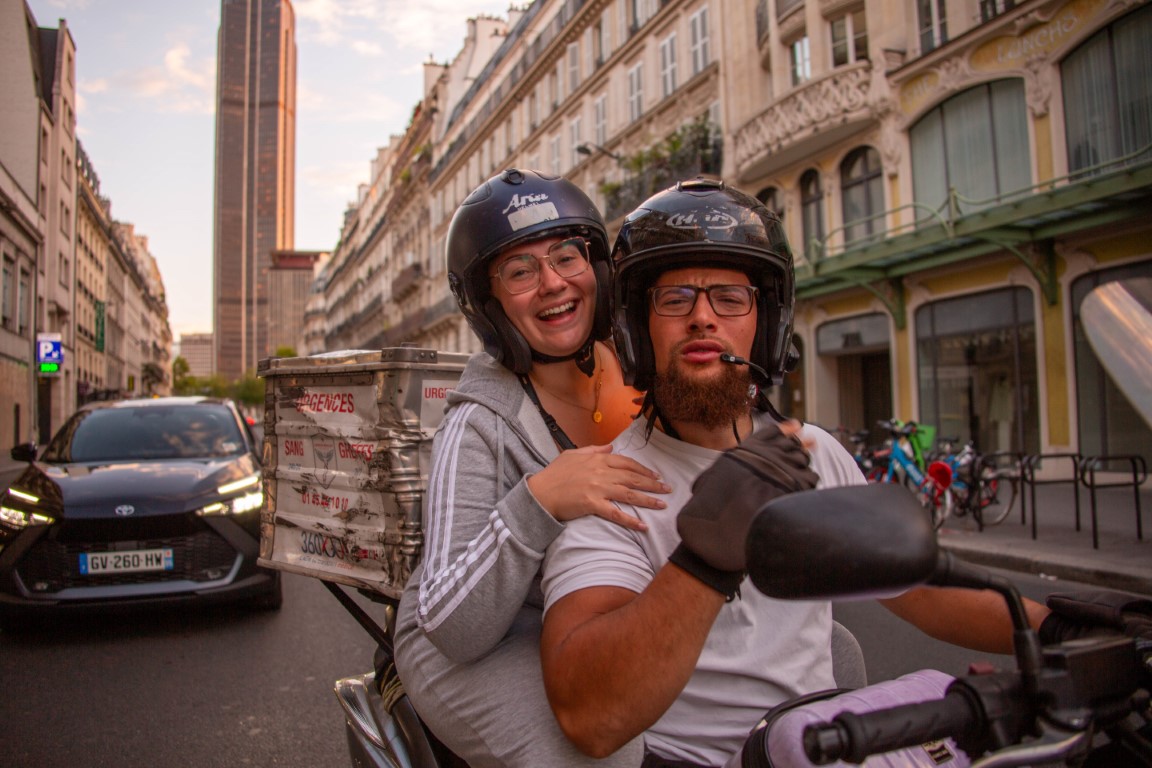
Cafés mythiques, galeries et librairies : un des visages les plus connus de Paris, encore plein de recoins intimes.
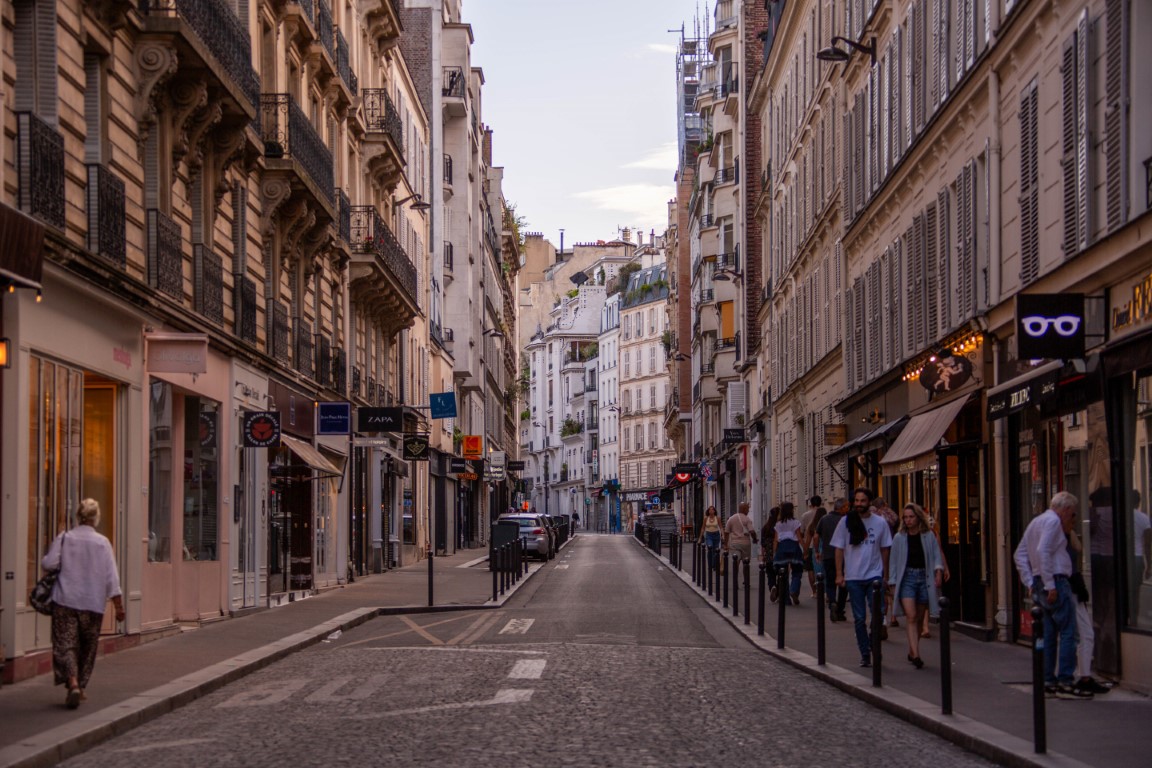
Rives de Seine, ministères, musées : un mélange de pouvoir, d’art et de rues très calmes.
Esplanades, dômes et souvenirs militaires : un paysage monumental qui s’adoucit dans les jardins.
Large perspective vers la Tour Eiffel, casernes, écoles et pelouses : la ville s’y aligne à grande échelle.
À deux pas de la Tour Eiffel, un quartier de rues calmes, de commerces du quotidien et de touristes émerveillés.
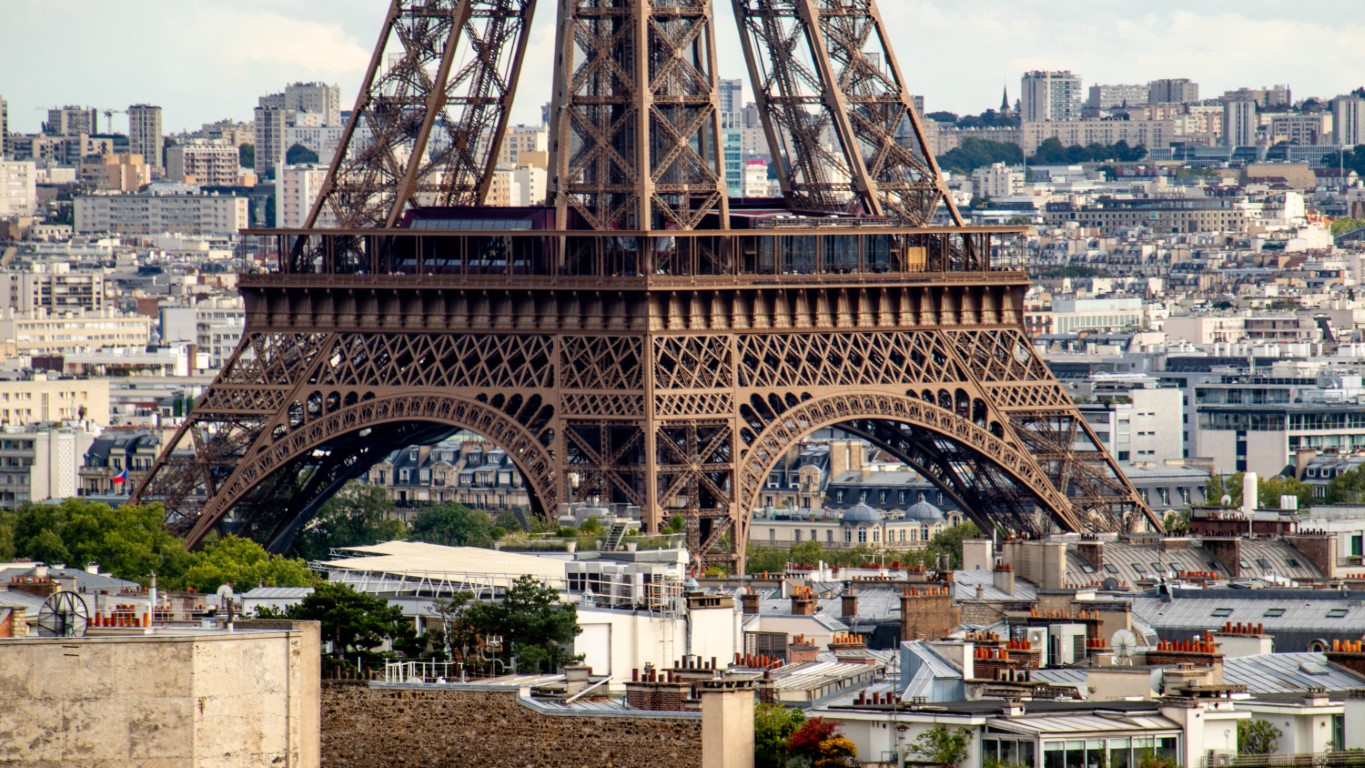
Avenue célèbre, vitrines et cinéma de nuit : un décor connu du monde entier, traversé par des vies ordinaires.
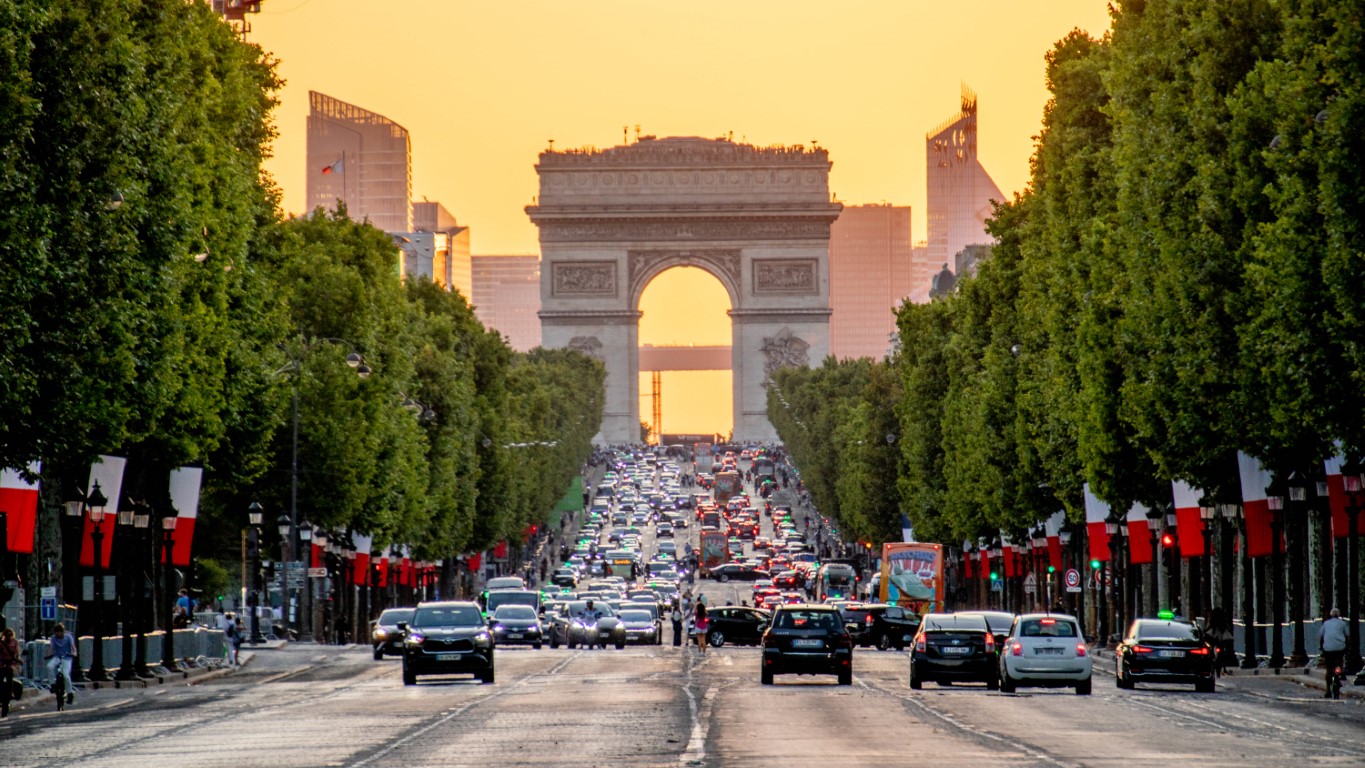
Entre bureaux, hôtels et petites rues, un quartier qui mêle rythme de travail et moments de respiration.
Église monumentale, grands boulevards et maisons de bouche : un Paris gourmand et solennel à la fois.
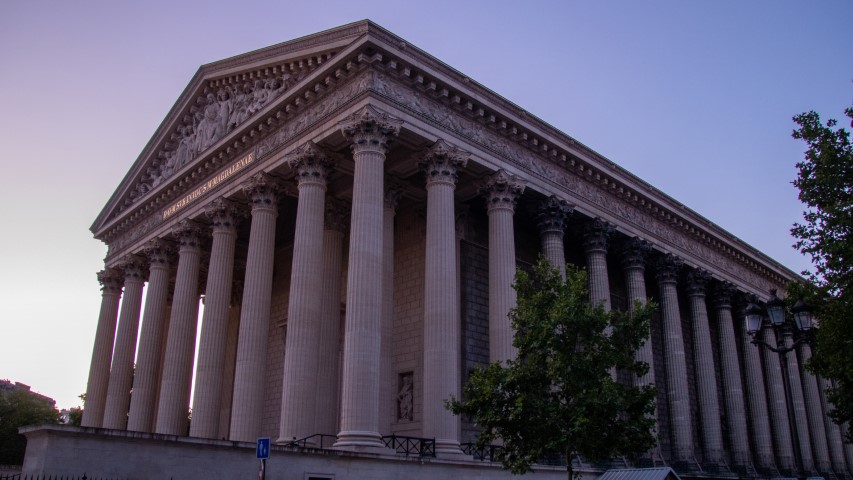
Autour de la gare Saint-Lazare, un quartier de correspondances, d’immeubles haussmanniens et de vies pressées.
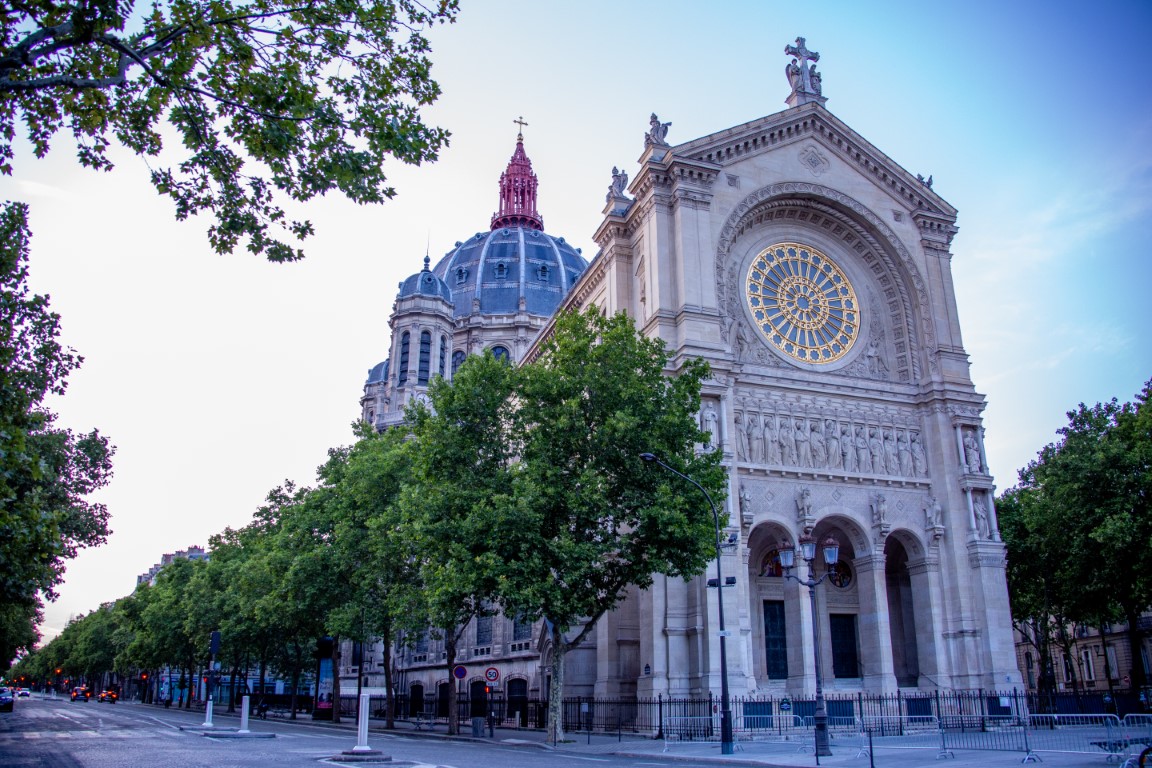
Rues en pente, façades colorées et théâtres : un morceau de ville entre village et boulevard.
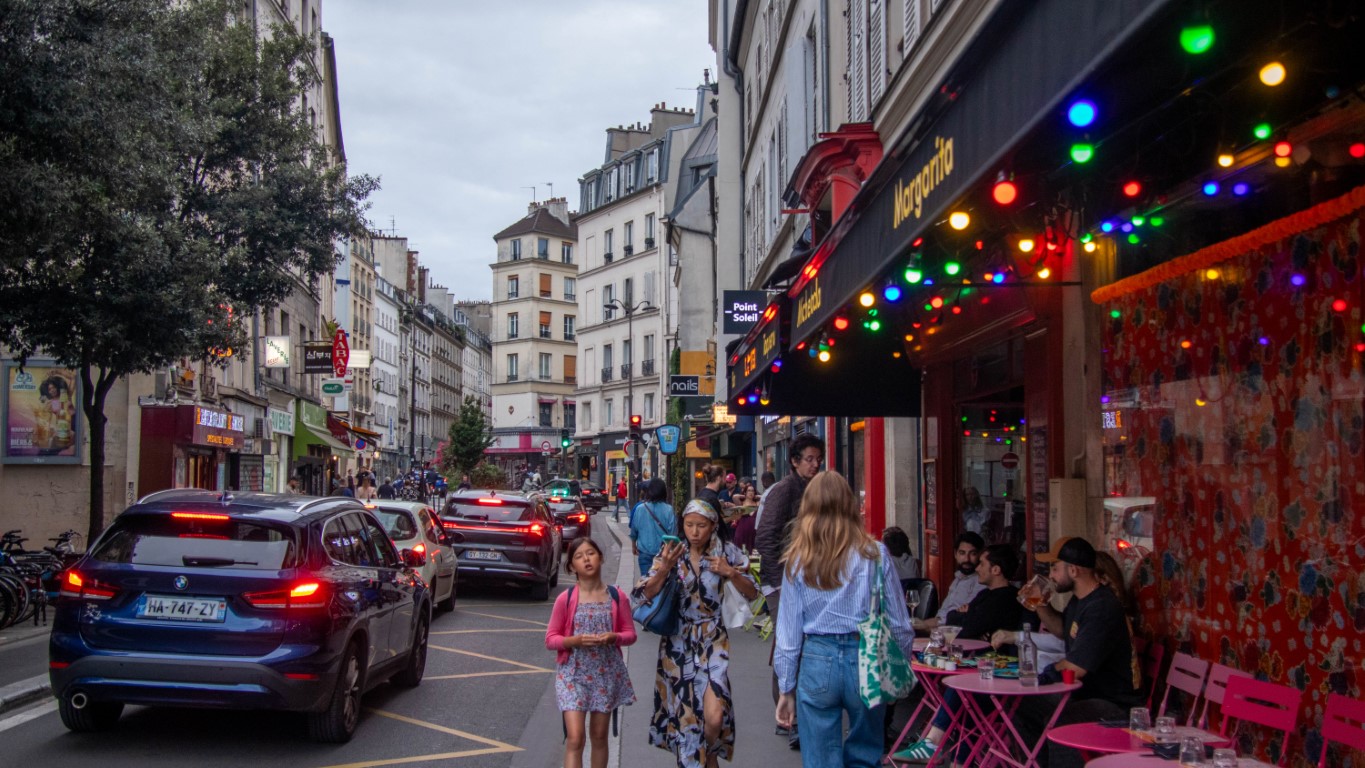
Grandes enseignes, passages et bureaux : le Paris des courses, des soldes et des rendez-vous rapides.
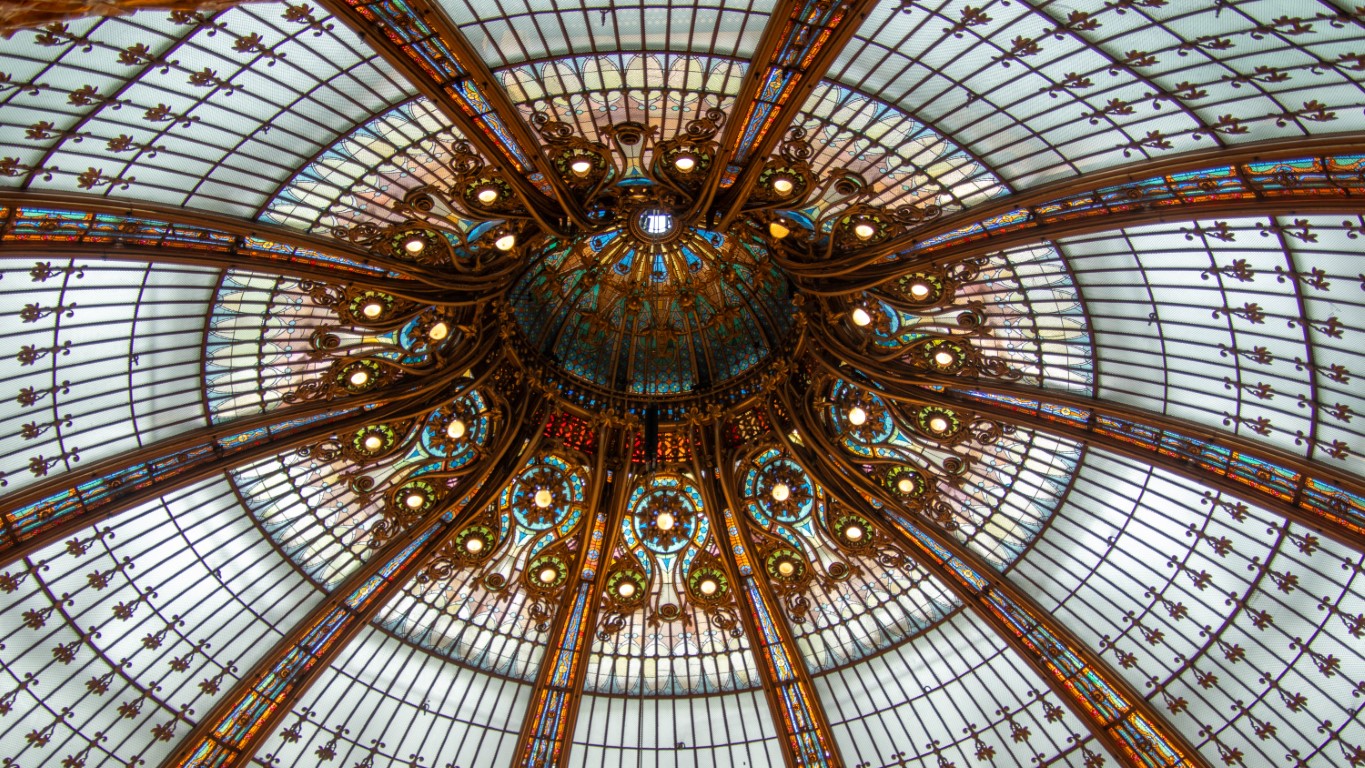
Journaux, théâtres et cafés : l’ancienne colonne vertébrale de la presse parisienne, encore très animée.
Au pied de Montmartre, un quartier de passages, de petites boutiques et de cafés d’habitués.
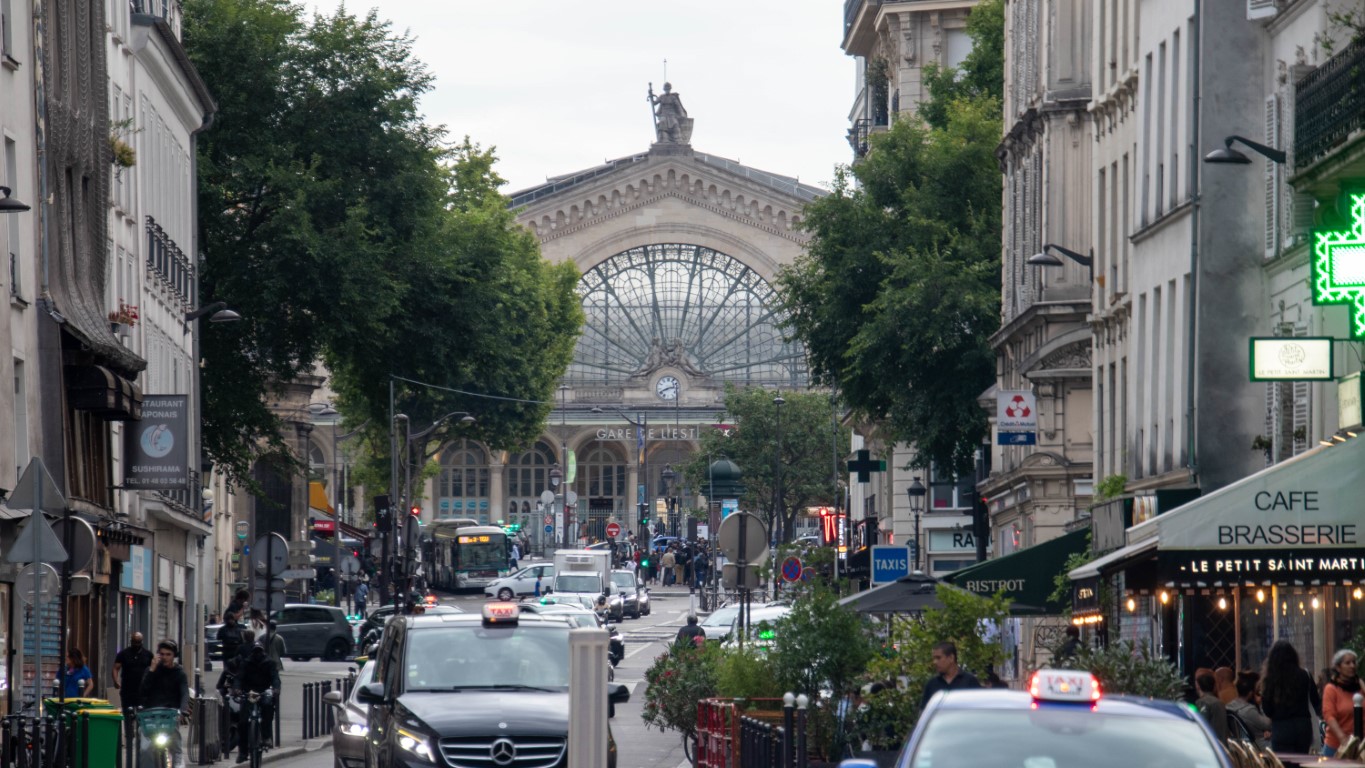
Entre gares du Nord et de l’Est, un quartier de voyageurs, d’hôtels modestes et de nouvelles arrivées.
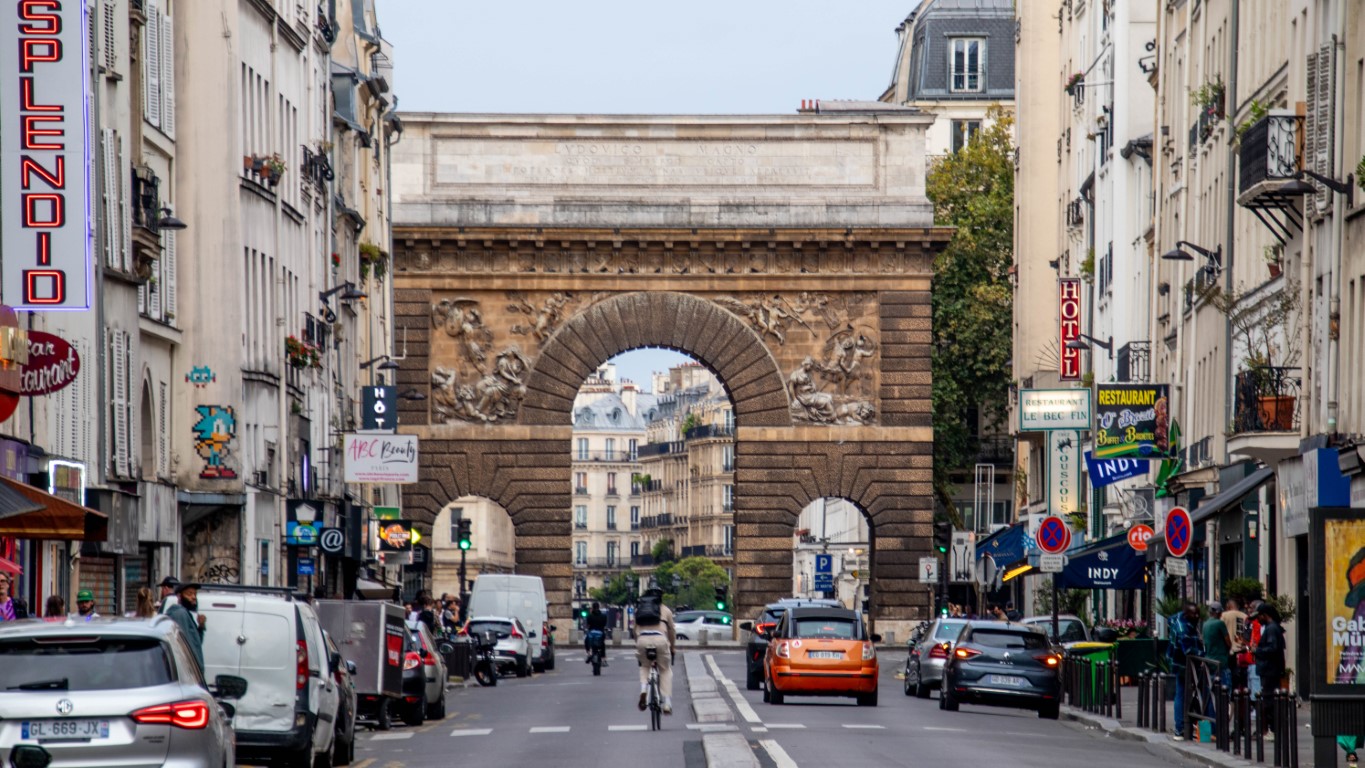
Arc monumental, restaurants populaires et rues animées : la porte d’entrée d’un Paris très métissé.
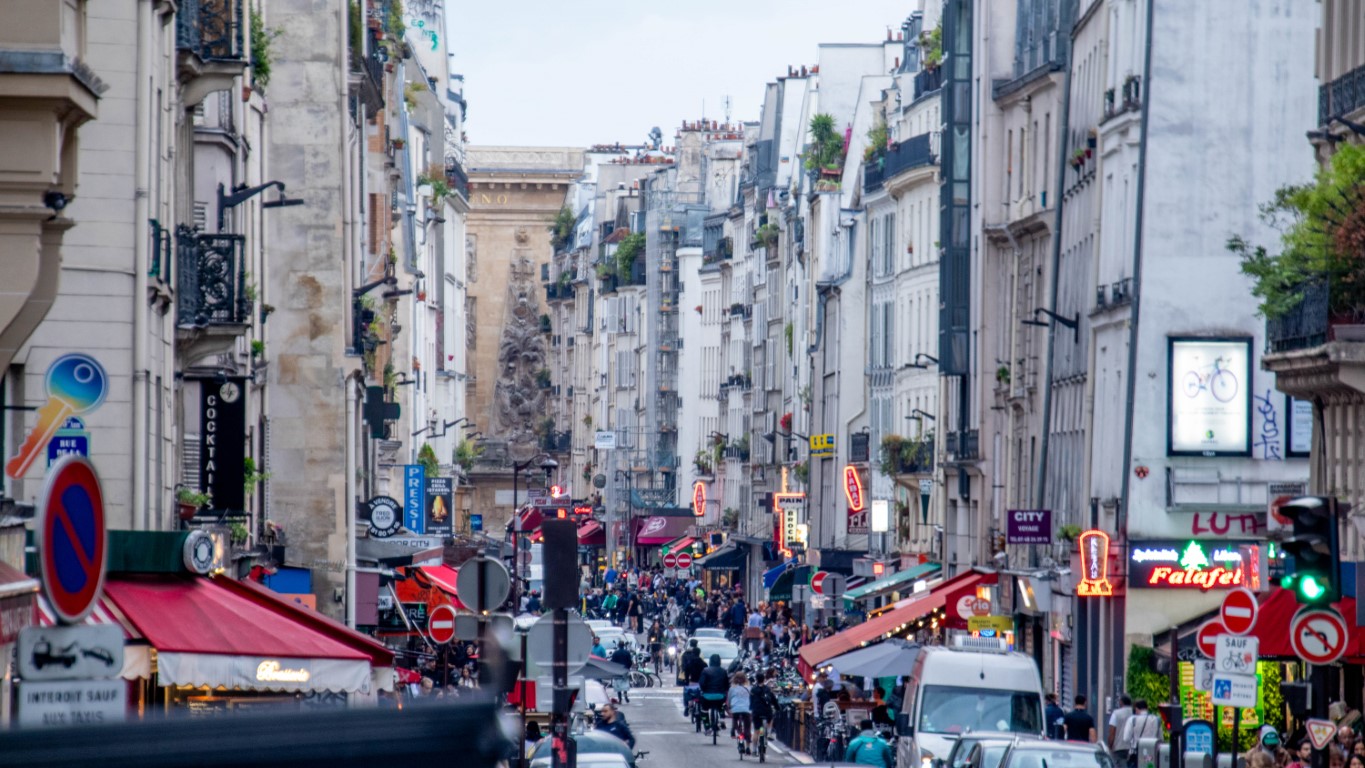
Théâtres, bars et trottoirs pleins le soir : un quartier qui aime la scène et les rencontres improvisées.
Autour de l’hôpital historique, un îlot de calme entre canaux, terrasses et cours plantées.
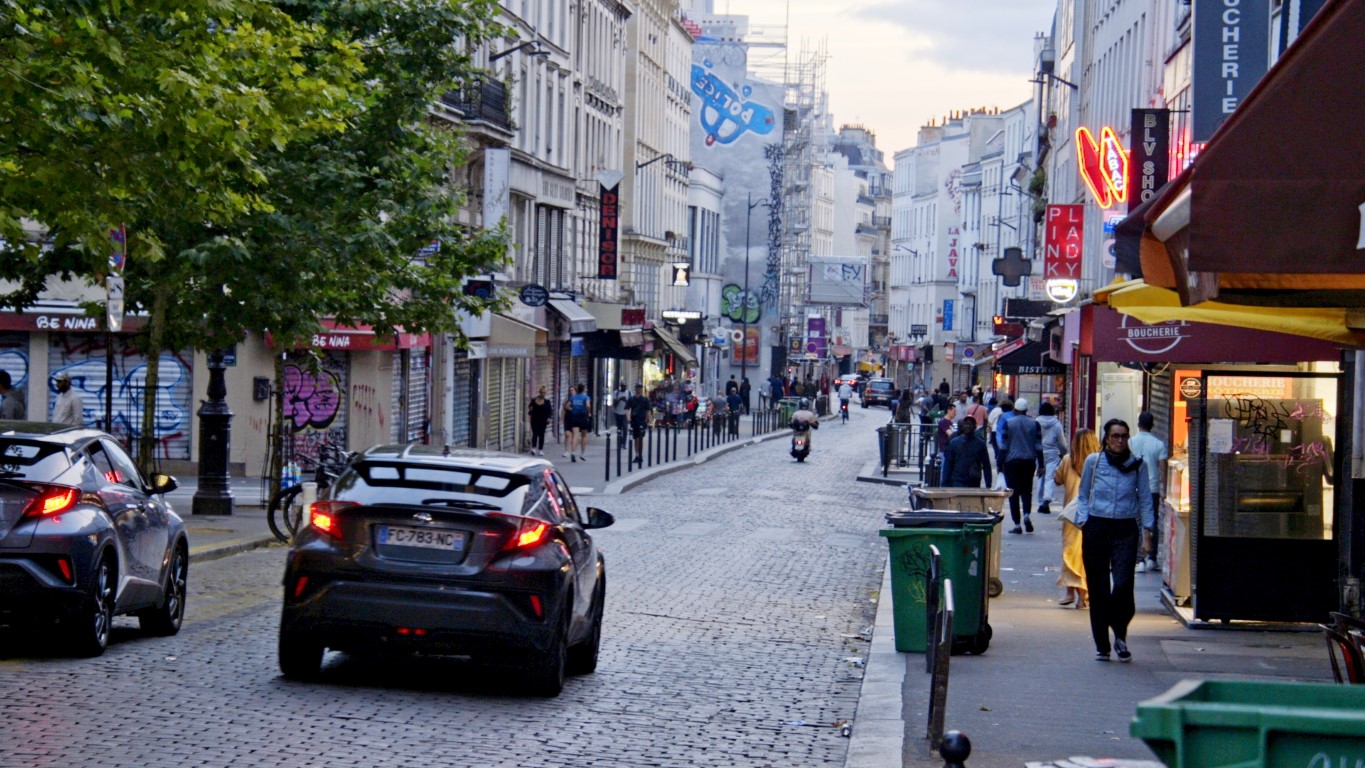
Entre République et Belleville, un mélange d’ateliers, de cafés engagés et de petites rues habitées.
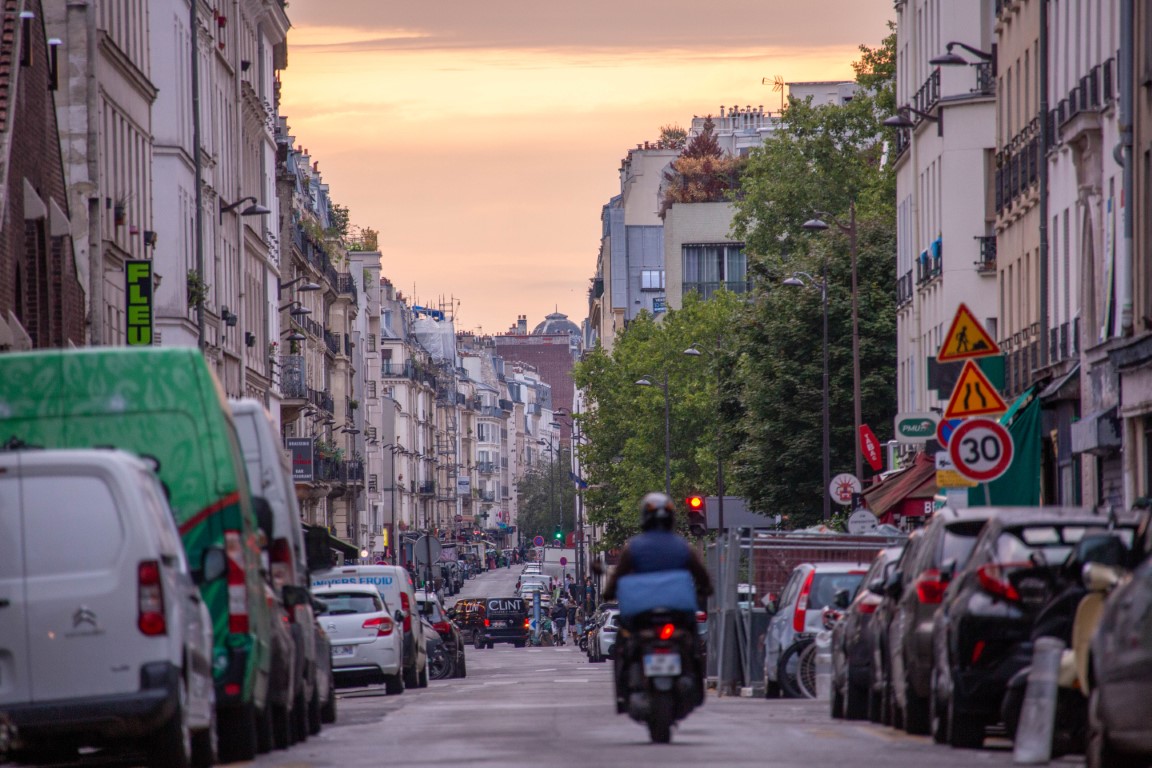
Églises, jardins et terrasses de quartier : un coin de l’Est parisien où l’on se retrouve facilement.
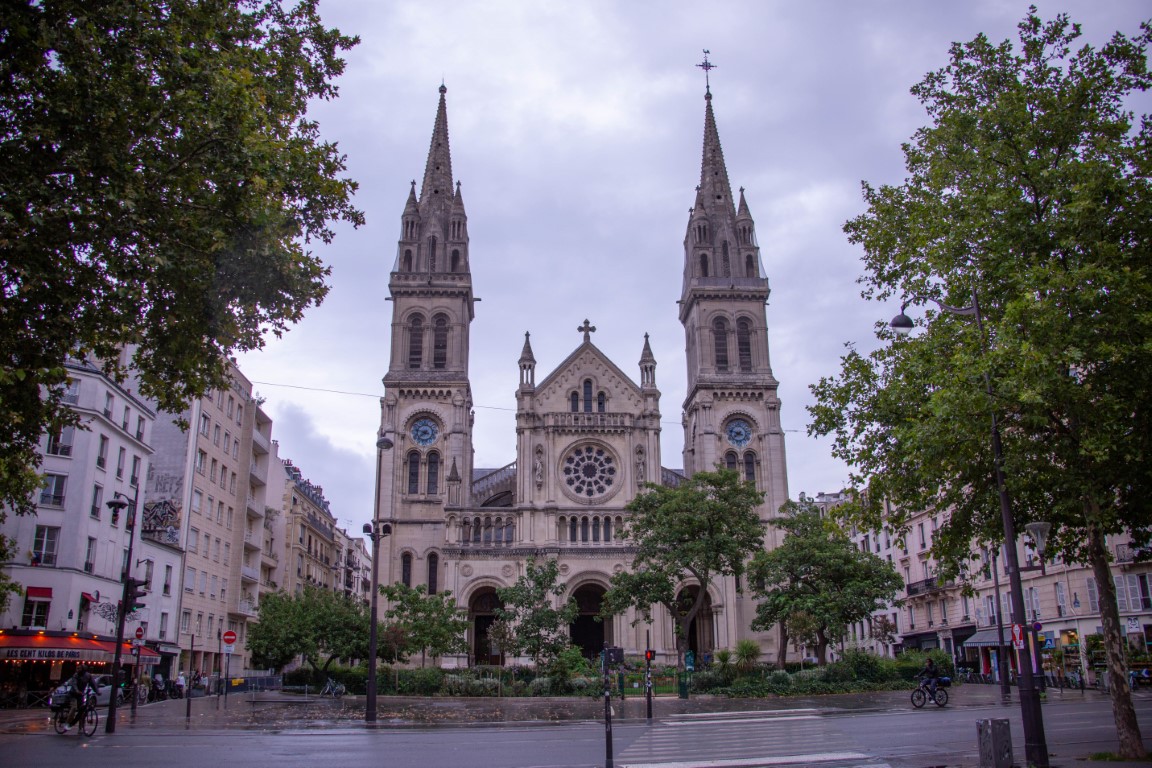
Rues populaires, bars, ateliers et souvenirs d’anciens faubourgs ouvriers.
Un quartier de l’Est plus discret, entre squares, écoles et petites rues à hauteur de famille.
Vers Nation et le bois de Vincennes, un quartier de balcons fleuris, de commerces de proximité et de départs en promenade.
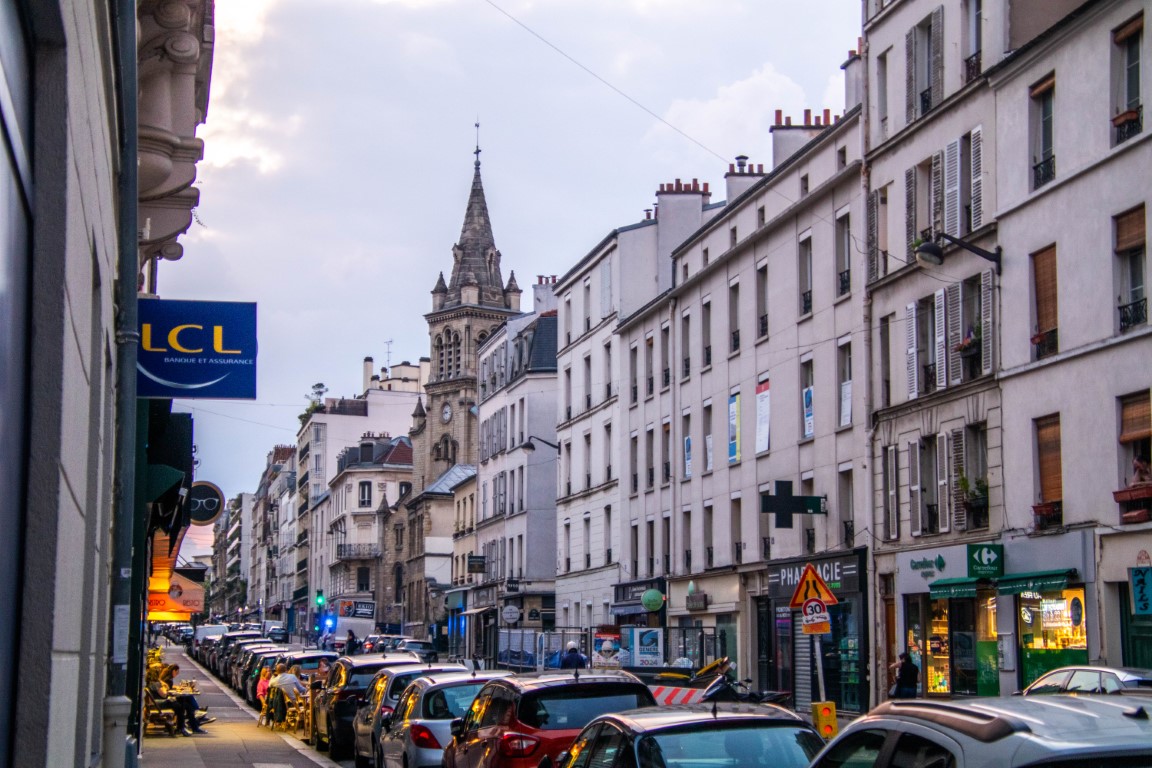
Rues tranquilles, cimetières cachés et écoles : un Paris du quotidien, avec ses secrets de pierre.
Entre salles de spectacle, cinémas et parc, un quartier moderne qui vit au rythme des événements.
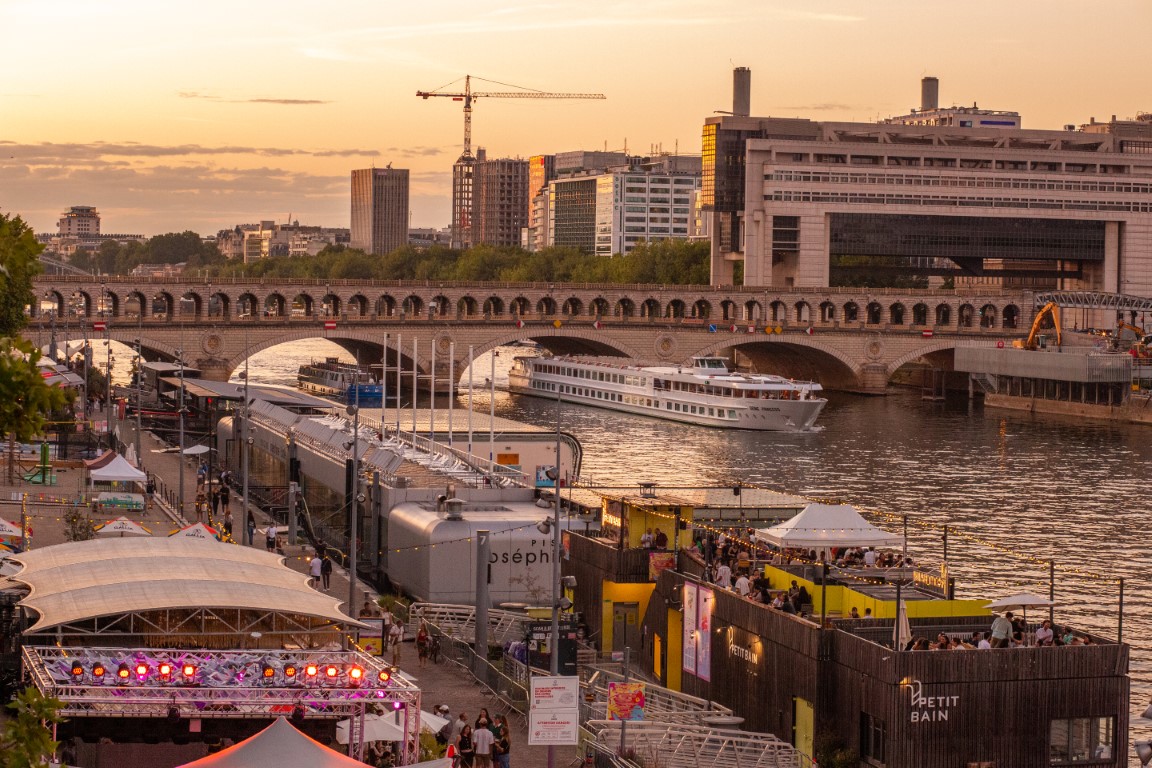
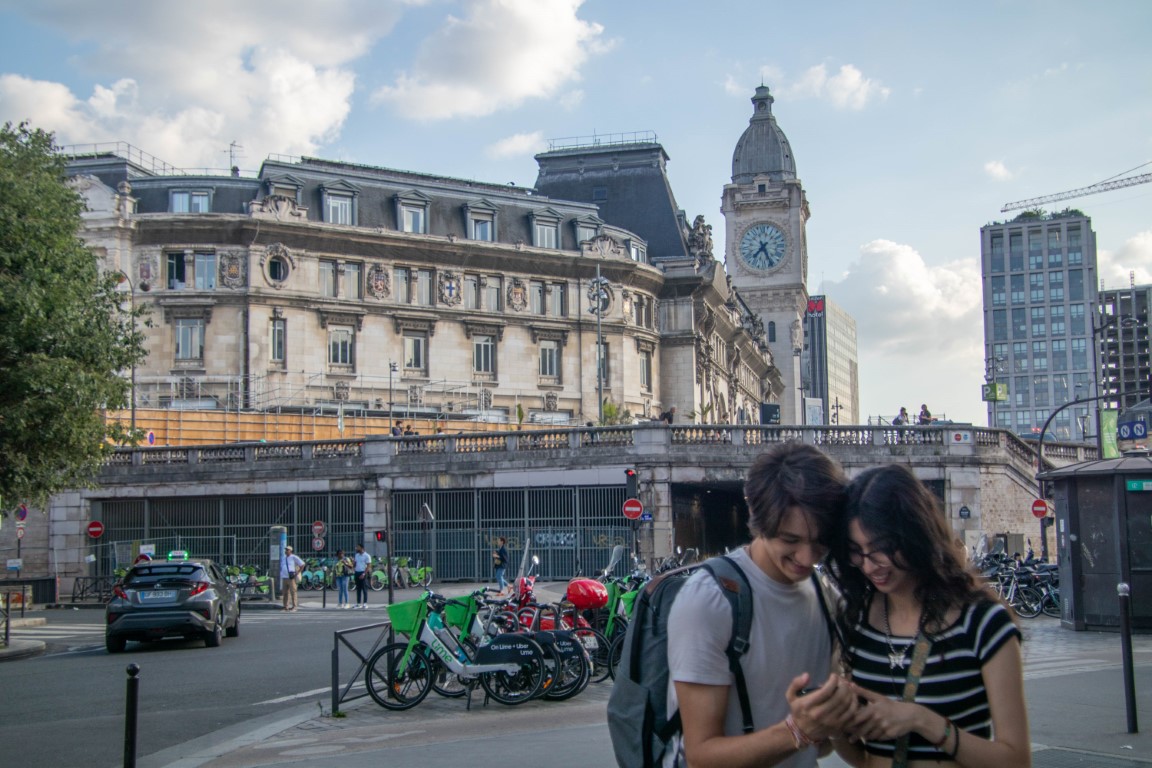
Autour de la gare de Lyon, hôtels, brasseries et trajets pressés, mais aussi des coins calmes derrière les grandes avenues.
Hôpital immense, quais de Seine et boulevards : un quartier où le soin, le passage et la ville se croisent.
Autour de la gare d’Austerlitz, rails, entrepôts transformés et nouvelles promenades le long de la Seine.
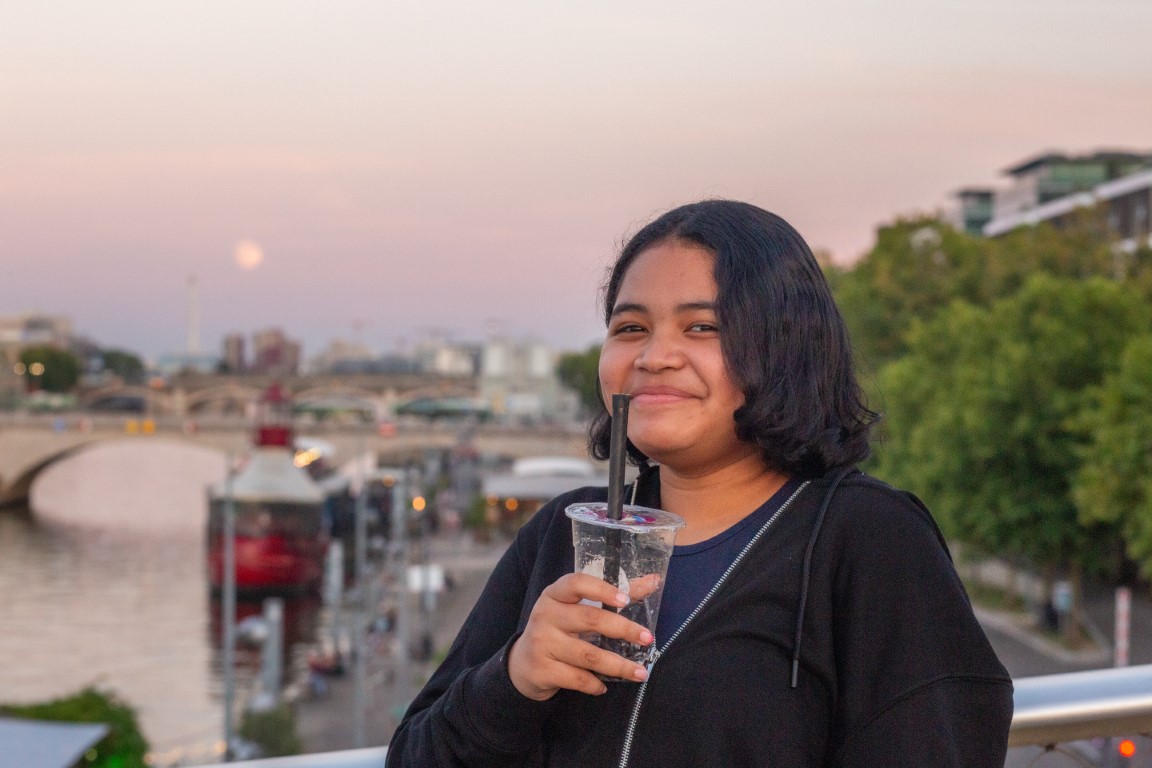
Un sud de Paris plus populaire, en pente douce, avec des commerces simples et des immeubles modestes.
Petit quartier méconnu entre Gobelins et Butte-aux-Cailles, avec ateliers, écoles et ruelles calmes.
Tours, gares, cinémas et cafés d’artistes : un ancien cœur de la vie bohème, encore très vivant.
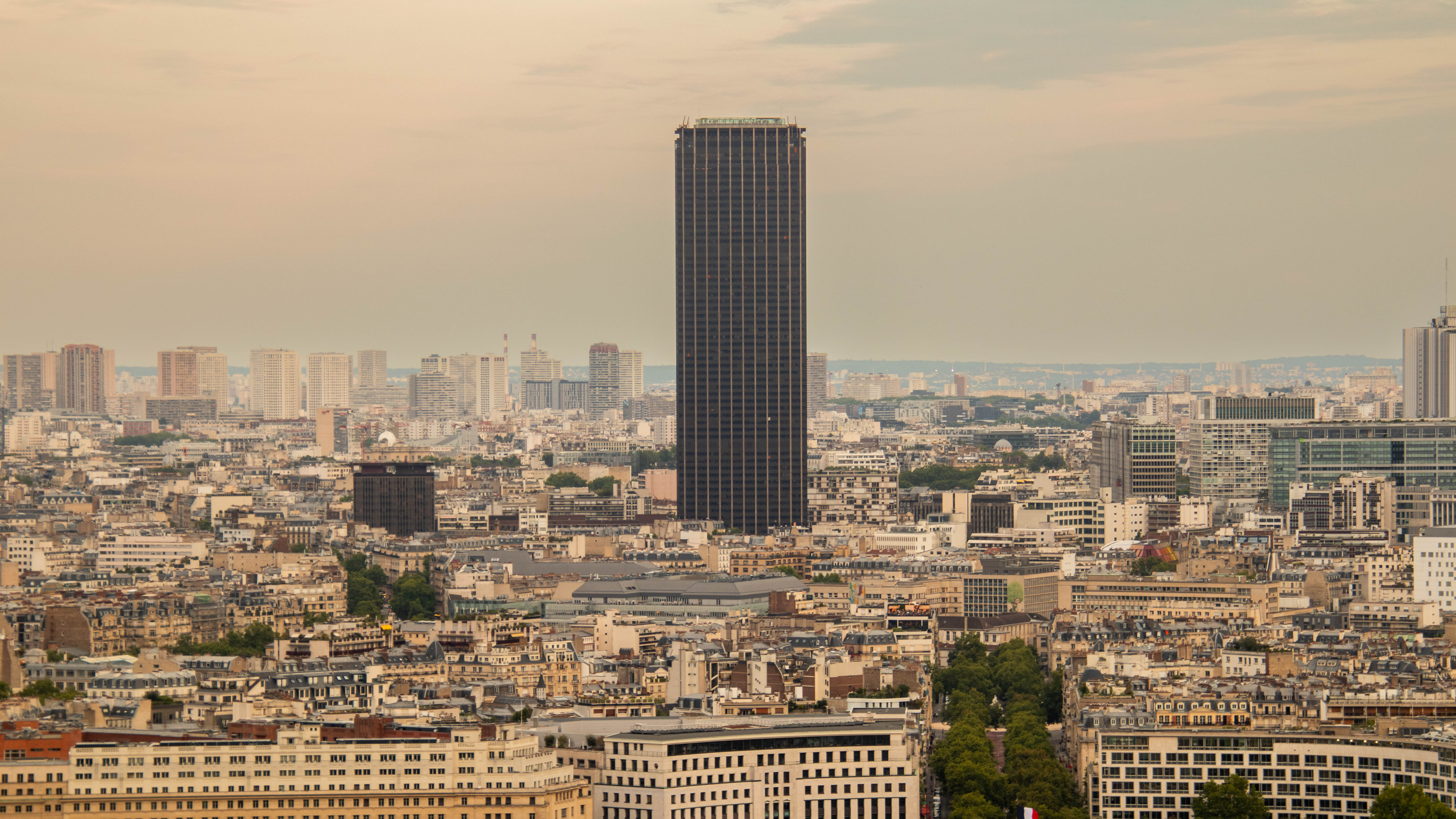
Autour du grand parc, des rues résidentielles, des étudiants et des joggeurs du matin.
Un coin du 14ᵉ aux allures de village, avec église, commerces et trottoirs bavards.
Rues serrées, ateliers et cafés populaires : un quartier qui garde un côté familial et modeste.
Autour du parc Georges-Brassens, marchés, écoles et immeubles tranquilles : un Paris de voisinage.
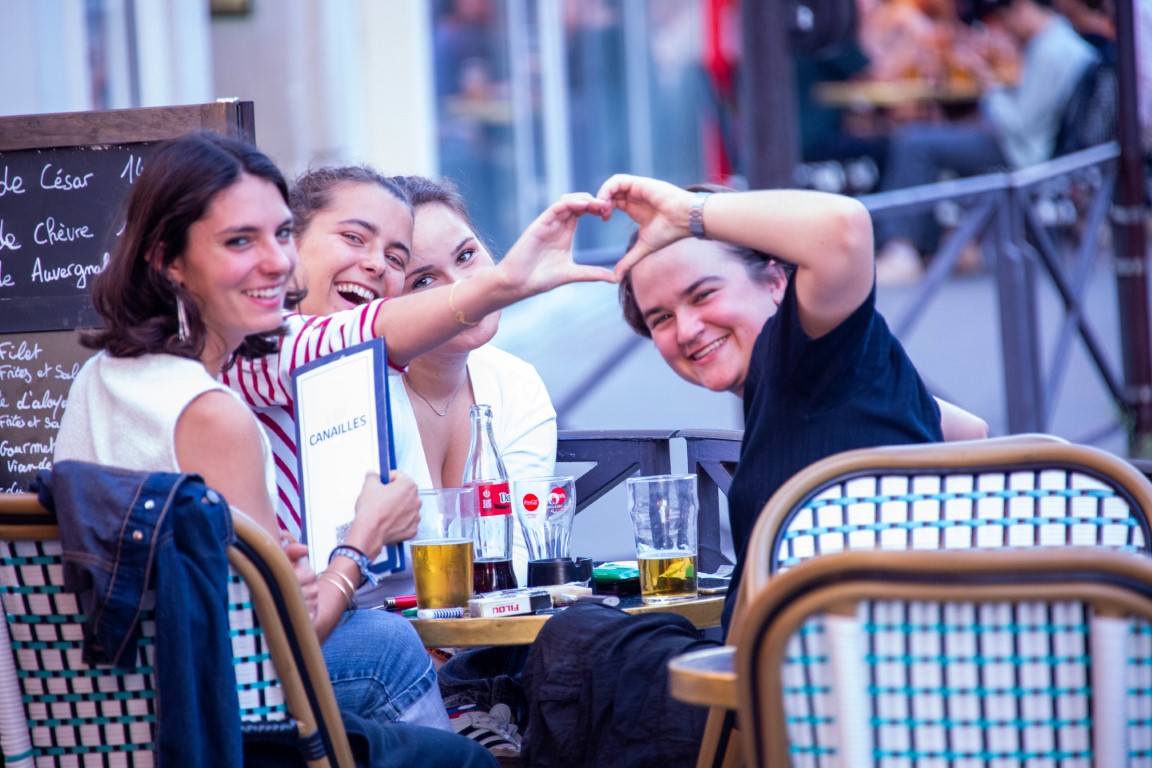
Entre Montparnasse et Invalides, hôpitaux, gares et bureaux, mais aussi des jardins en contrebas.
Immeubles modernes, bords de Seine et centres commerciaux : un quartier de ponts, de flux et de lumières nocturnes.
Au sud-ouest de Paris, usines reconverties, quais aménagés et vues dégagées sur la Tour Eiffel.
Ancien village absorbé par Paris : rues calmes, maisons, stades et souvenirs de poésie sportive.
Autour du Trocadéro et du bois de Boulogne, ambassades, musées et avenues résidentielles.
Entre bois, universités et grandes avenues, un quartier d’angles calmes et de perspectives larges.
Face à la Tour Eiffel, théâtres, musées et places spectaculaires : un balcon sur la Seine.
Grands boulevards, marchés couverts et petites rues résidentielles : un quartier animé mais très habité.
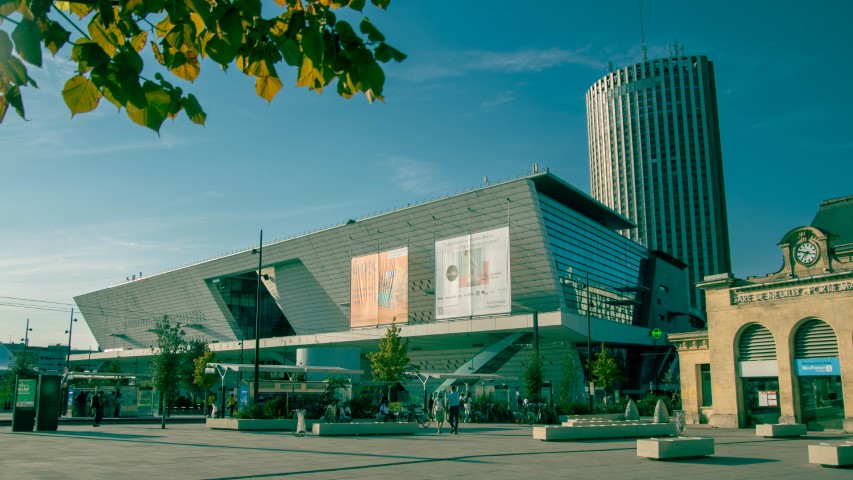
Hôtels particuliers, parc Monceau et avenues calmes : une élégance classique, presque hors du temps.
Parcs, cafés, petites places : un quartier créatif et bohème, très aimé de ses habitants.
Quartier en transformation avec un vrai esprit de village, entre ateliers, familles et nouveaux lieux.
Sous Montmartre, anciens ateliers d’artistes, petites rues en escaliers et vues inattendues.
Aux portes du 18ᵉ, marchés aux puces, brocante et mélange de cultures venues de partout.
Marchés, musiques et parfums d’ailleurs : un quartier vivant, frontal et créatif au nord de Paris.
Entre rails, marchés et nouvelles constructions, un quartier de passages, de brassage et de mutations rapides.
Autour du parc de la Villette, salles de spectacle, sciences et musique : un grand terrain de jeu culturel.
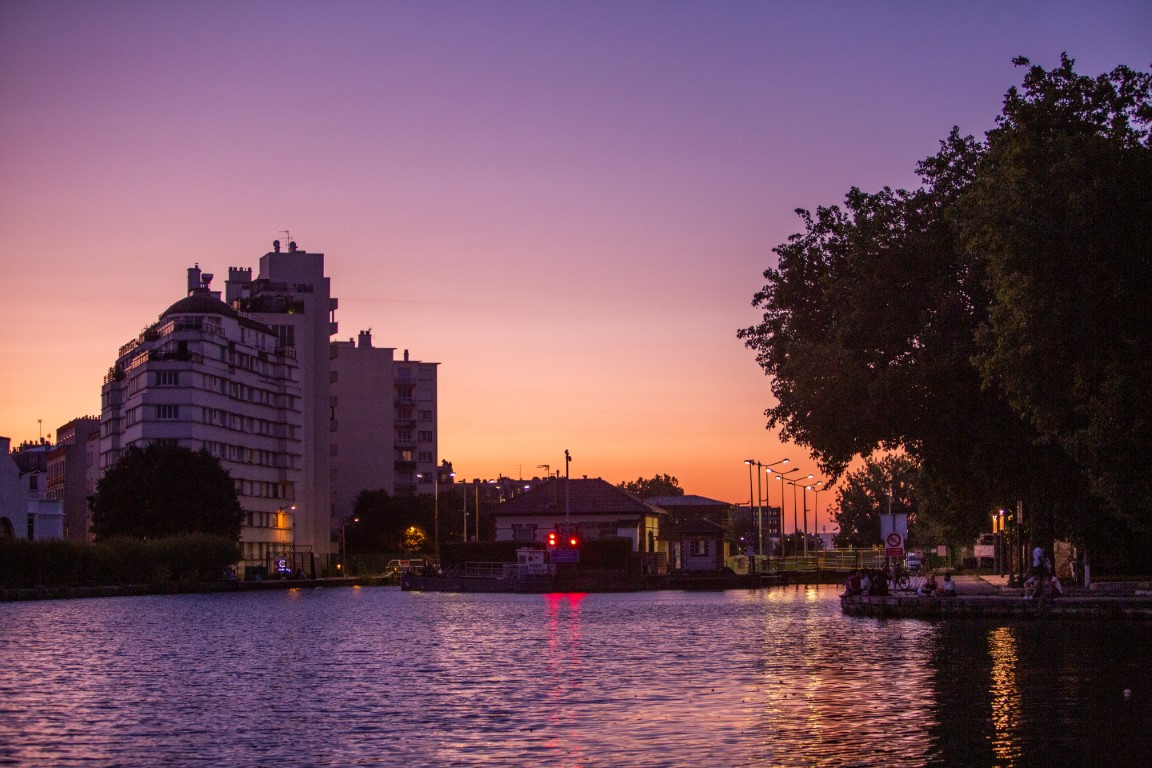
Le long du canal, architectures neuves, passerelles et parcs : un morceau de ville en train de se réinventer.
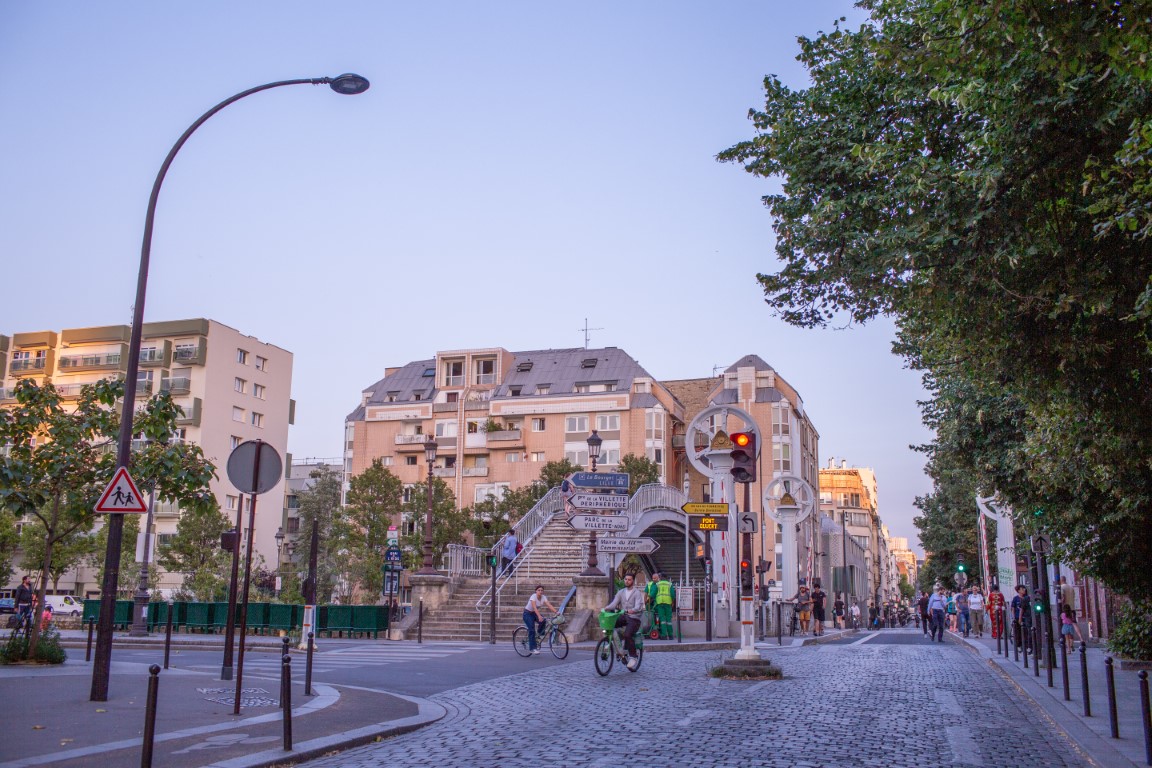
Collines, anciennes carrières et grandes vues : un 19ᵉ plus résidentiel, vert et familial.
Près des Buttes-Chaumont, marchés, bars de quartier et jeunesse qui invente ses propres habitudes.
Street art, cuisines du monde et vues sur Paris : un quartier d’artistes, de familles et de luttes sociales.
Esprit de village, parcs en pente douce et petites rues calmes : un Paris discret mais très vivant.
Cimetière mondialement connu, jardins silencieux et rues d’habitation : un quartier de mémoire et de douceur.
Ancien faubourg ouvrier avec des airs de village : ruelles, cafés, cours cachées et beaucoup d’âme.
Chaque point ouvre une présence, une rue, une scène possible de Paris T’aime.
Un univers Paris T’aime est un micro-monde humain. Un lieu, une équipe, des scènes et une mémoire s’y organisent pour ouvrir une porte dans Paris.
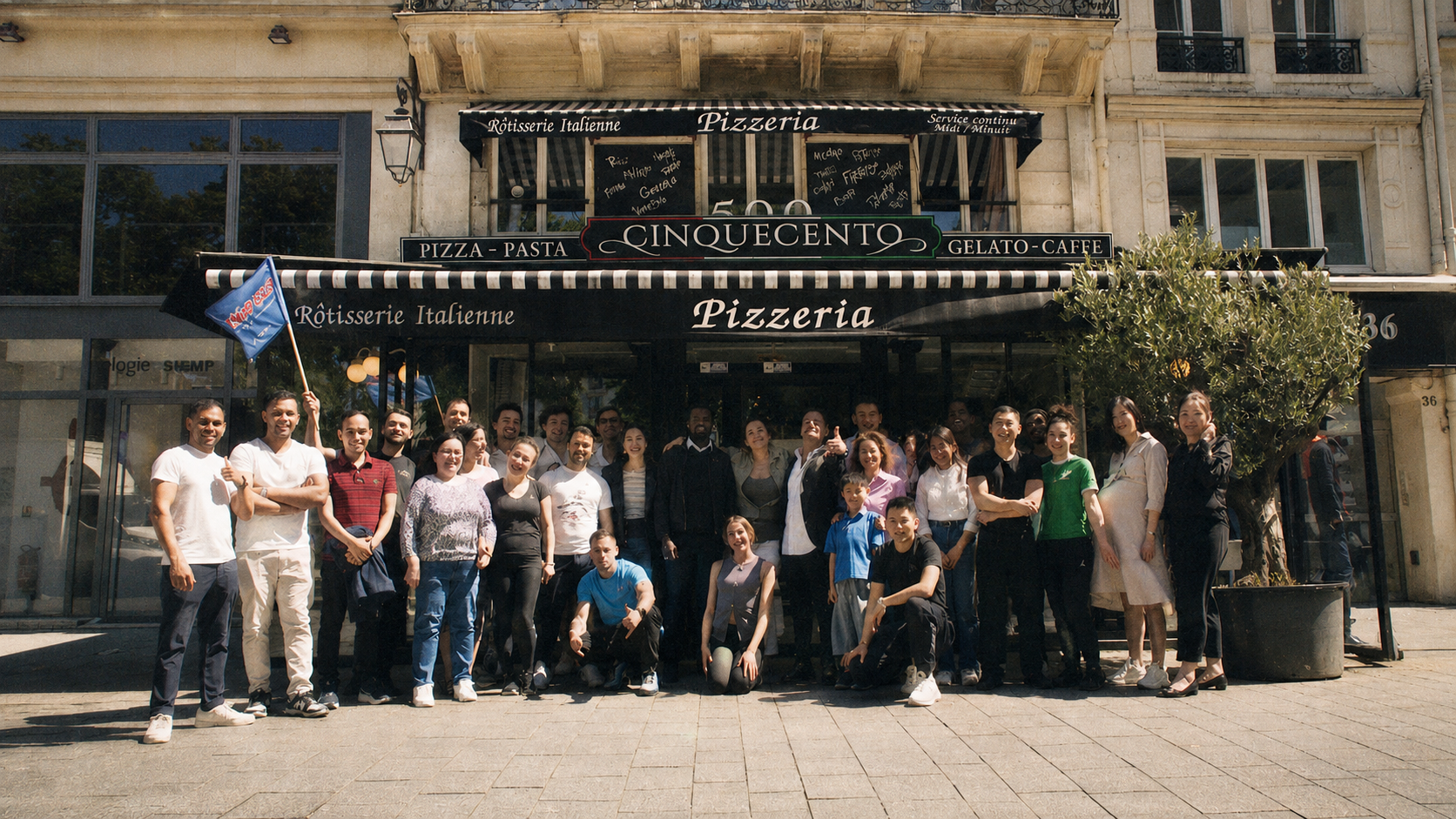
Les Halles · Rue Saint-Denis
Une équipe-famille, une salle, une rue et un passage de relais aux Halles.
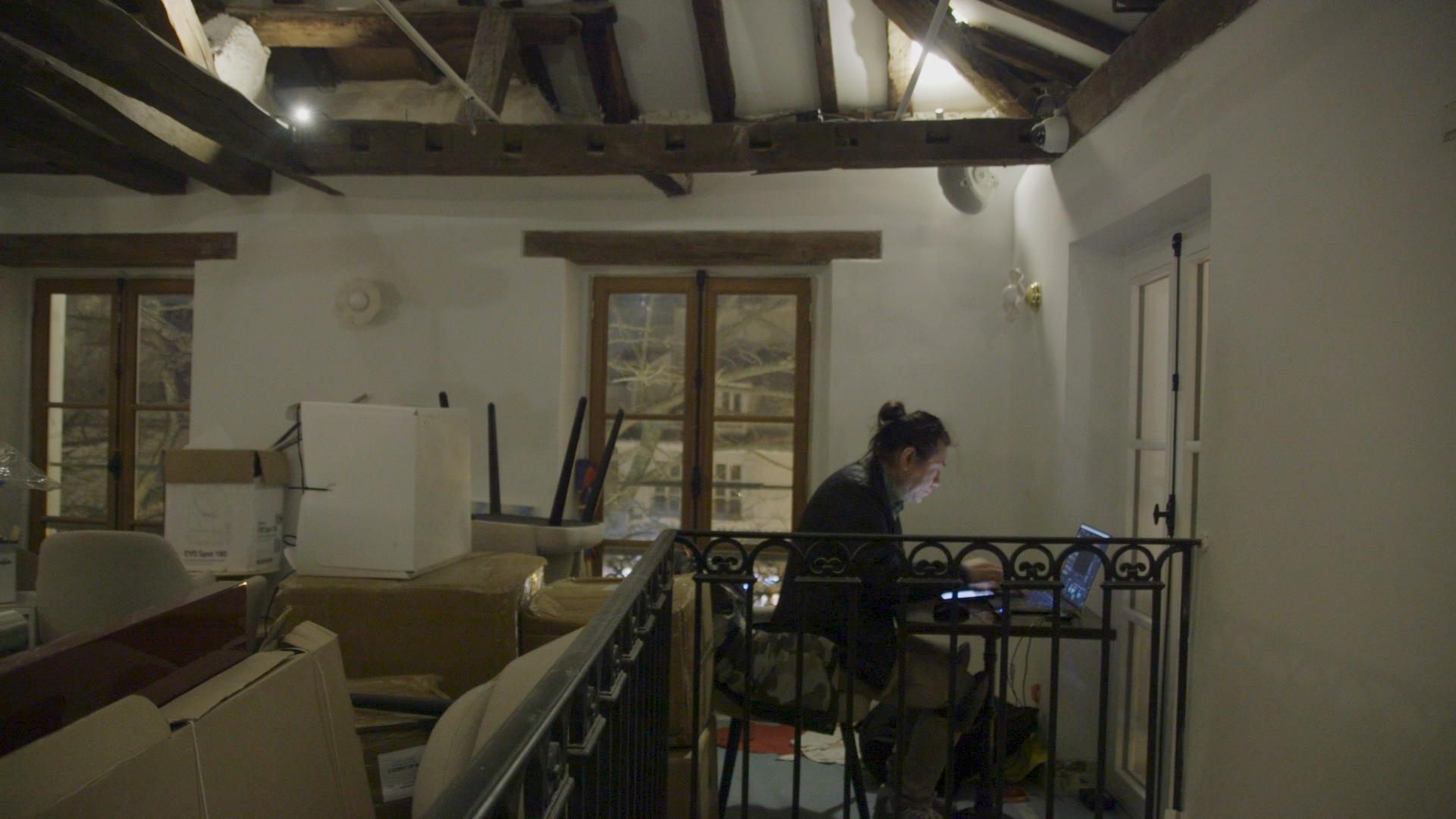
Montmartre · refuge humain
Un restaurant-refuge où l’équipe, les cultures et l’accueil composent un foyer.
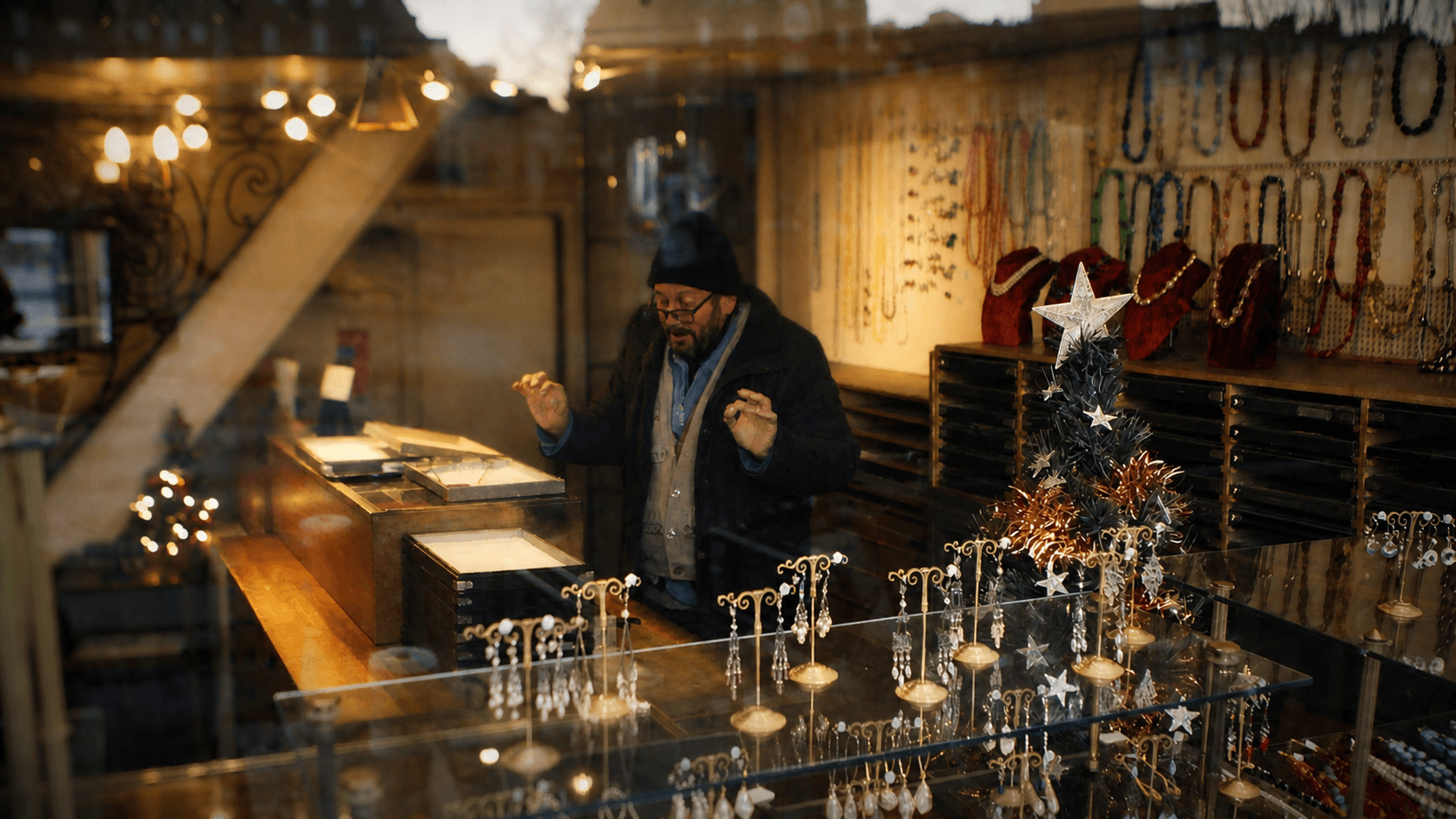
Pont Neuf · transmission
Une boutique, une mémoire de métier et une rencontre autour de la confiance.

Rue des Petits-Carreaux
Une adresse de quartier où cuisine, service et culture donnent une scène quotidienne.
Trois gestes prolongent les images dans la vraie vie.
Les quartiers donnent la carte. Les nationalités donnent les voix, les langues et les mémoires.
Paris T’aime ne filme pas seulement un territoire : il écoute les langues, les origines, les métiers et les mémoires qui habitent Paris.
La scène territoriale de Paris T’aime.
Un horizon humain : langues, origines, mémoires, trajectoires.
Chaque langue change la manière de raconter la ville.
Un restaurant, une boutique, un bus, une place peuvent contenir plusieurs continents.
Un geste, un métier, une recette, une chanson, une façon d’aider.
Quand les différences deviennent relation, Paris devient plus grand que lui-même.
Les quartiers sont la scène ; les nationalités sont les voix de Paris-monde.
Découvrir Paris-monde“Paris n’est pas une ville, c’est un monde.”
À chaque coin de rue, il existe une histoire qui mérite d’être vue.
Choisis tes quartiers, langues et thèmes préférés.
Crée et partage ta propre page Paris T’aime !
Paris T’aime avance vers 2029 comme une mise à jour humaine : retrouver la fraternité dans des gestes visibles.
240 ans après 1789, 2029 devient un horizon : demander ce que la fraternité peut encore réparer, relier et transmettre.
Perdre beaucoup, puis refuser de durcir le cœur.
Si je guéris, je serai utile, à Paris.
Des visages, des lieux, des gestes et des paroles filmées.
240 ans après 1789, remettre le lien humain au centre.
L’horizon n’est pas une commémoration figée : c’est une question vivante adressée à Paris et au monde.
Découvrir Fraternité 2029La réponse ne vient pas d’un slogan. Elle se découvre dans la rue, auprès des Parisiennes et des Parisiens rencontrés : une parole, un sourire, une fatigue, une bonté, une présence.
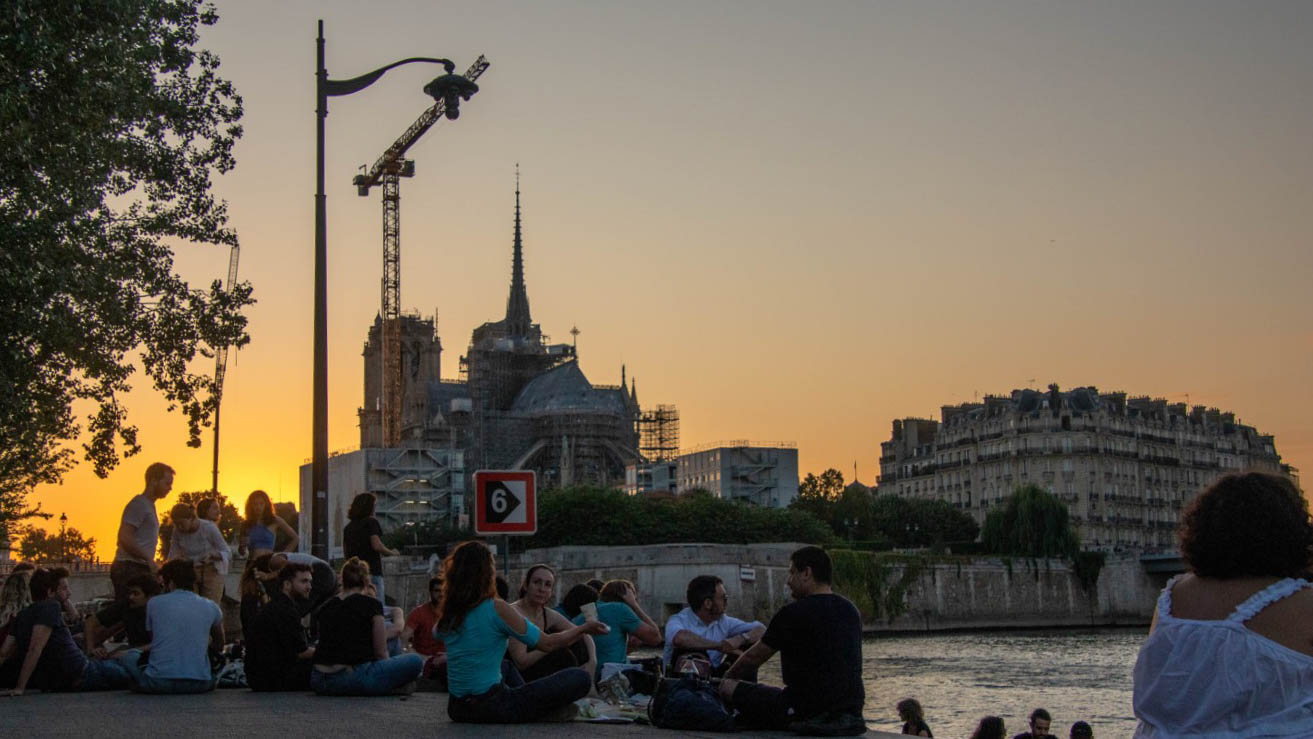
Des Parisiennes et des Parisiens répondent avec leurs mots, leurs silences, leurs regards.
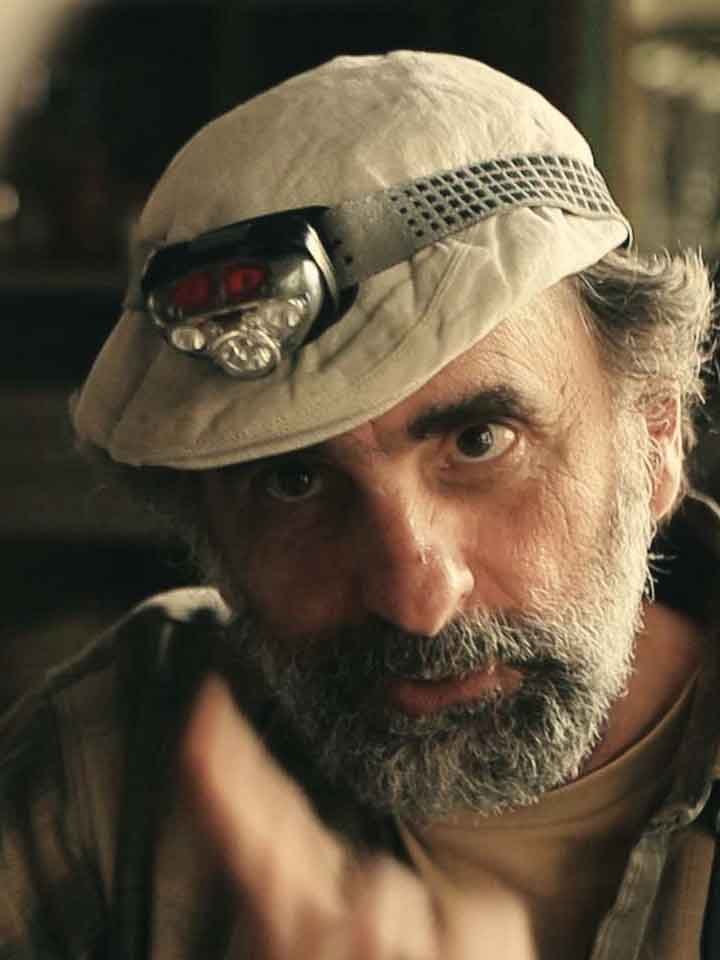
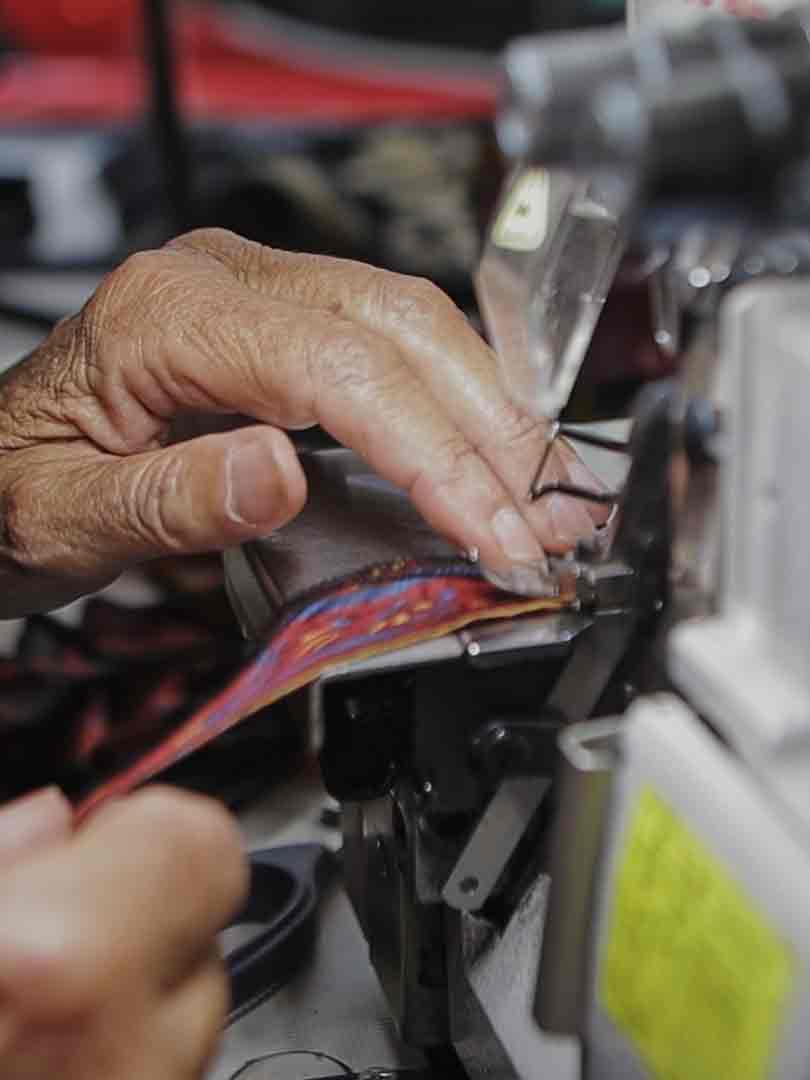
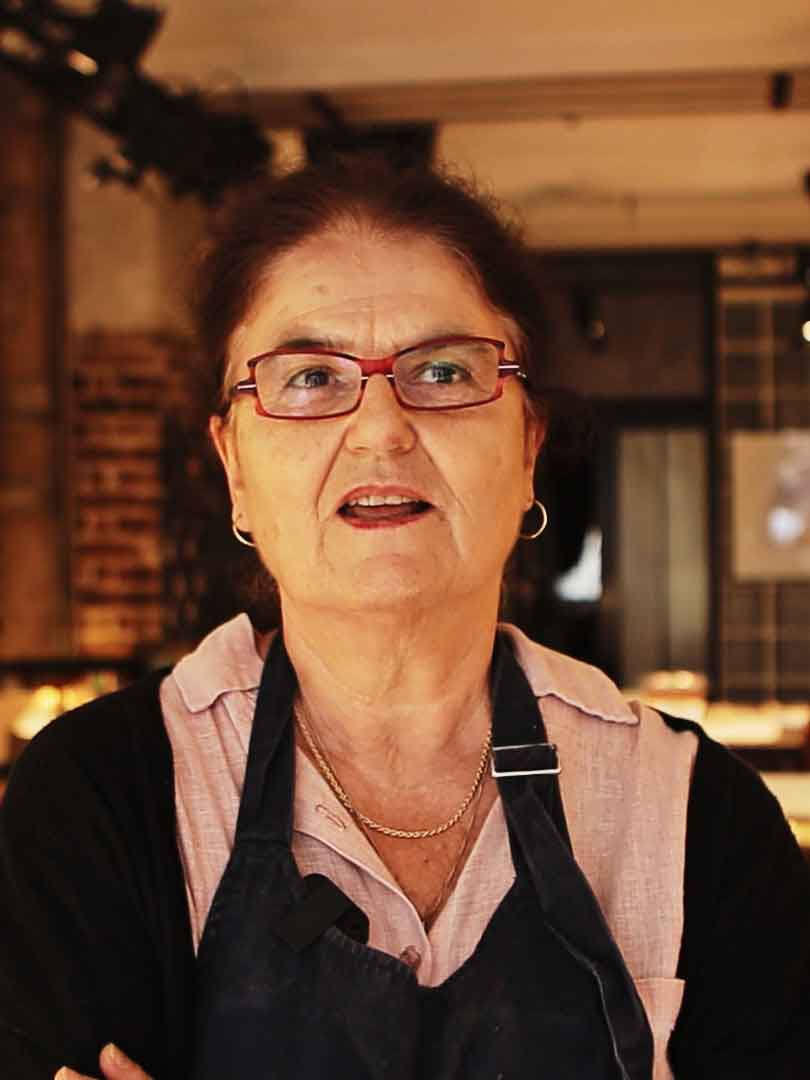
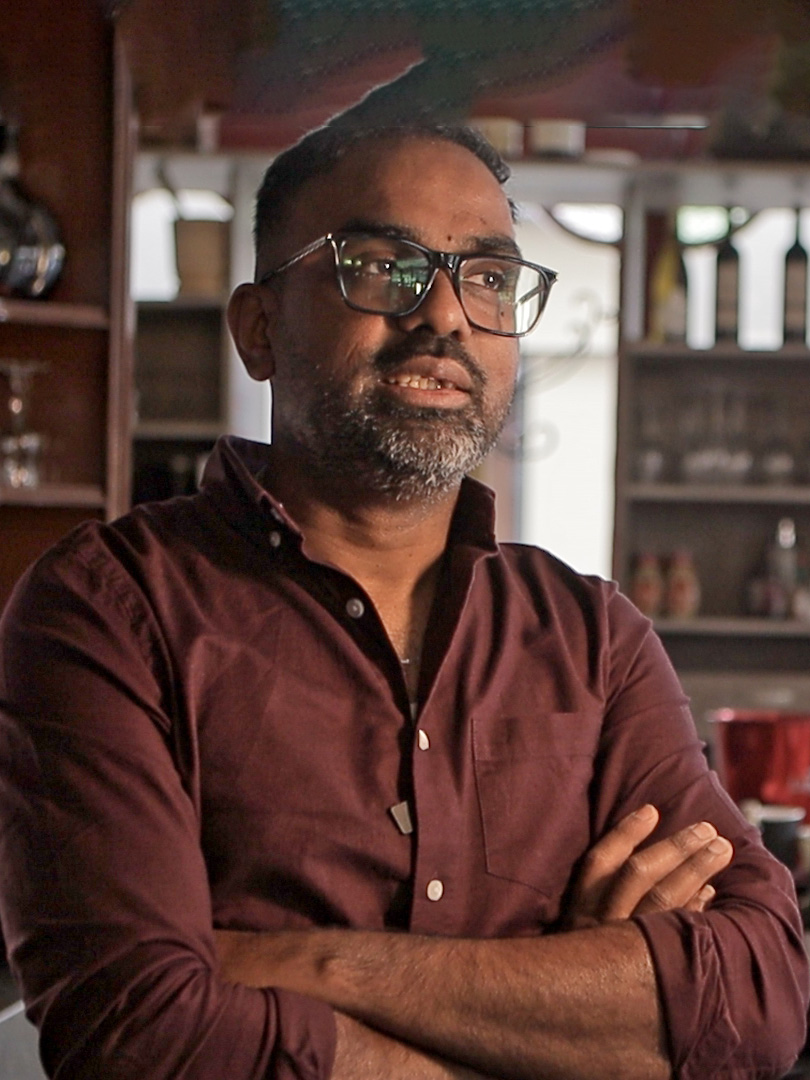
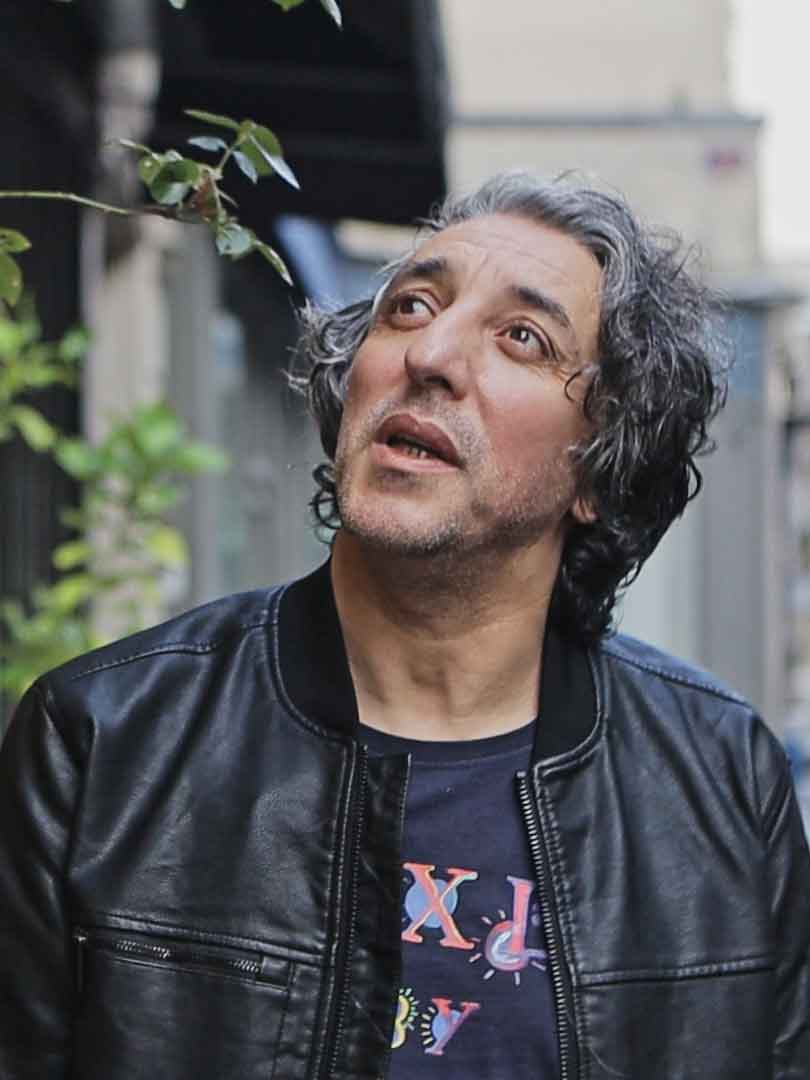
Un sourire, une présence, un geste : parfois Paris répond sans discours.
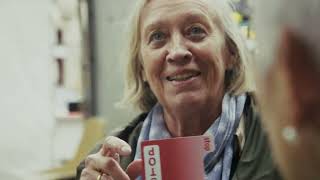


La réponse reste ouverte : elle continue dans chaque parole recueillie, chaque geste reconnu, chaque relation qui devient plus juste.